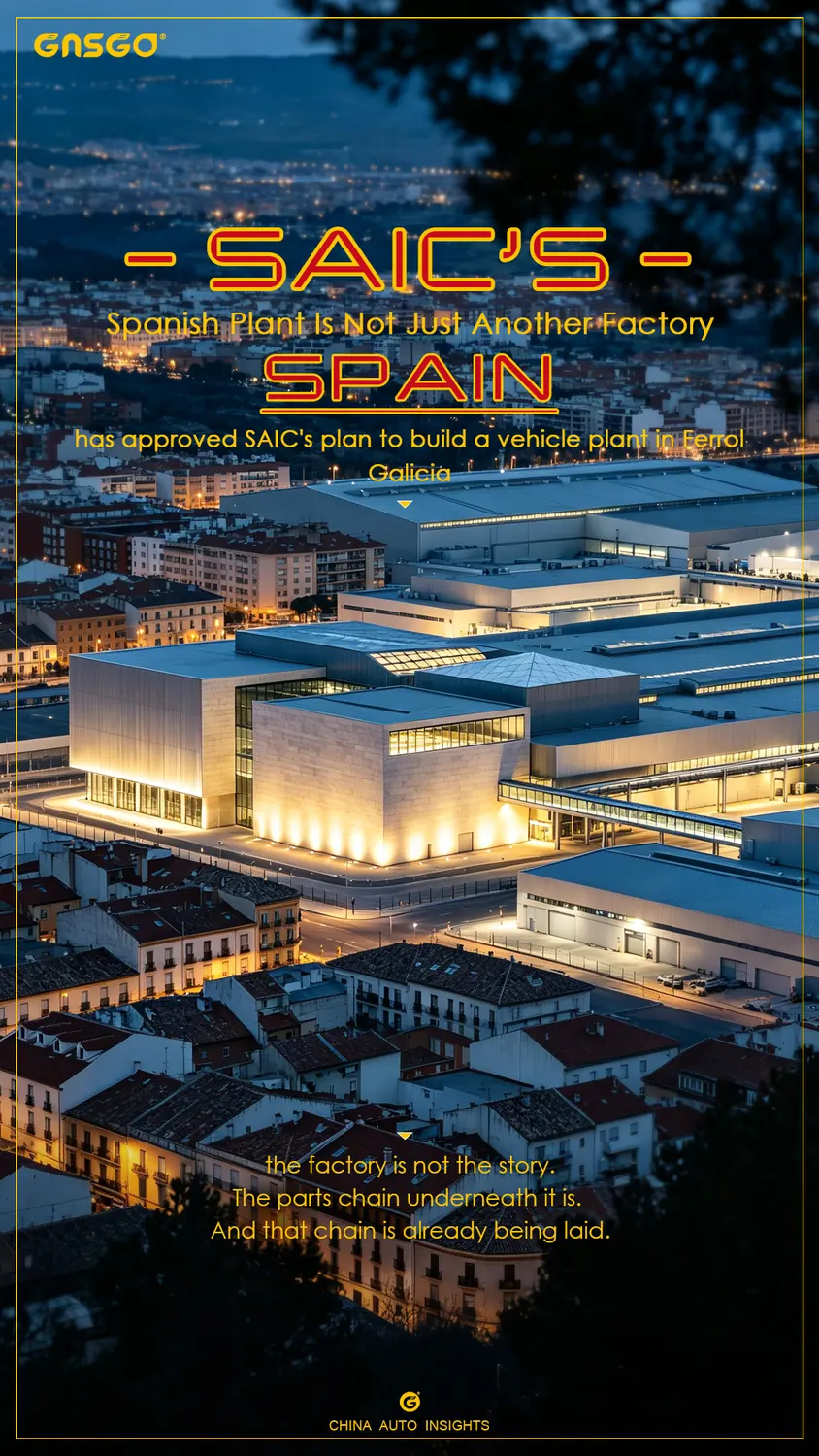
SAIC's Spanish Plant Is Not Just Another Factory
Spain has approved SAIC's plan to build a vehicle plant in Ferrol, Galicia.

Market intelligence on China's automotive globalization — EV exports, brand strategies, supply chain shifts and aftermarket opportunities.
Spain has approved SAIC's plan to build a vehicle plant in Ferrol, Galicia.
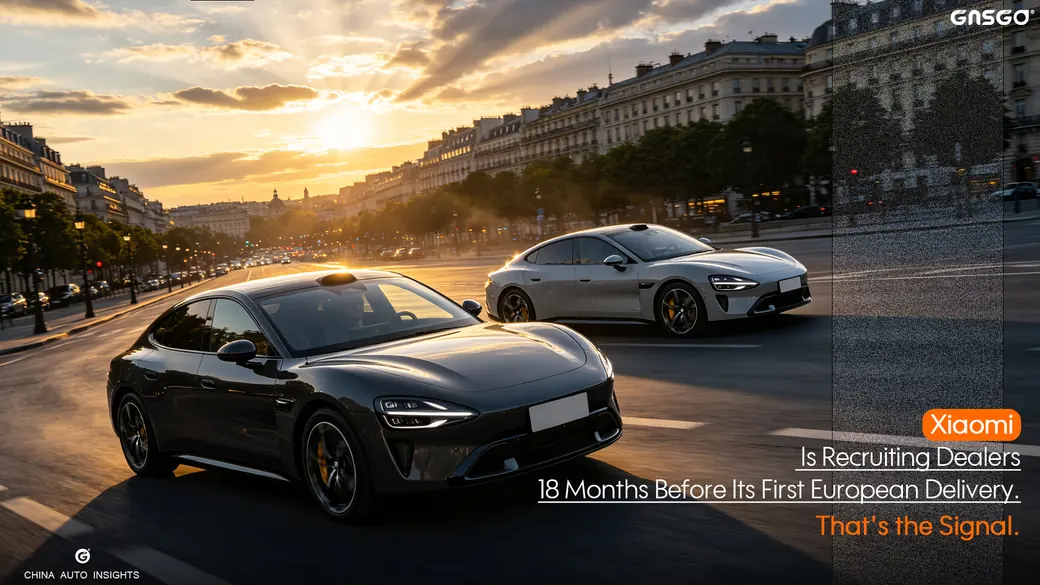
Xiaomi Auto has launched its first international website and is recruiting dealers 18 months ahead of a 2027 European launch, starting with Germany.
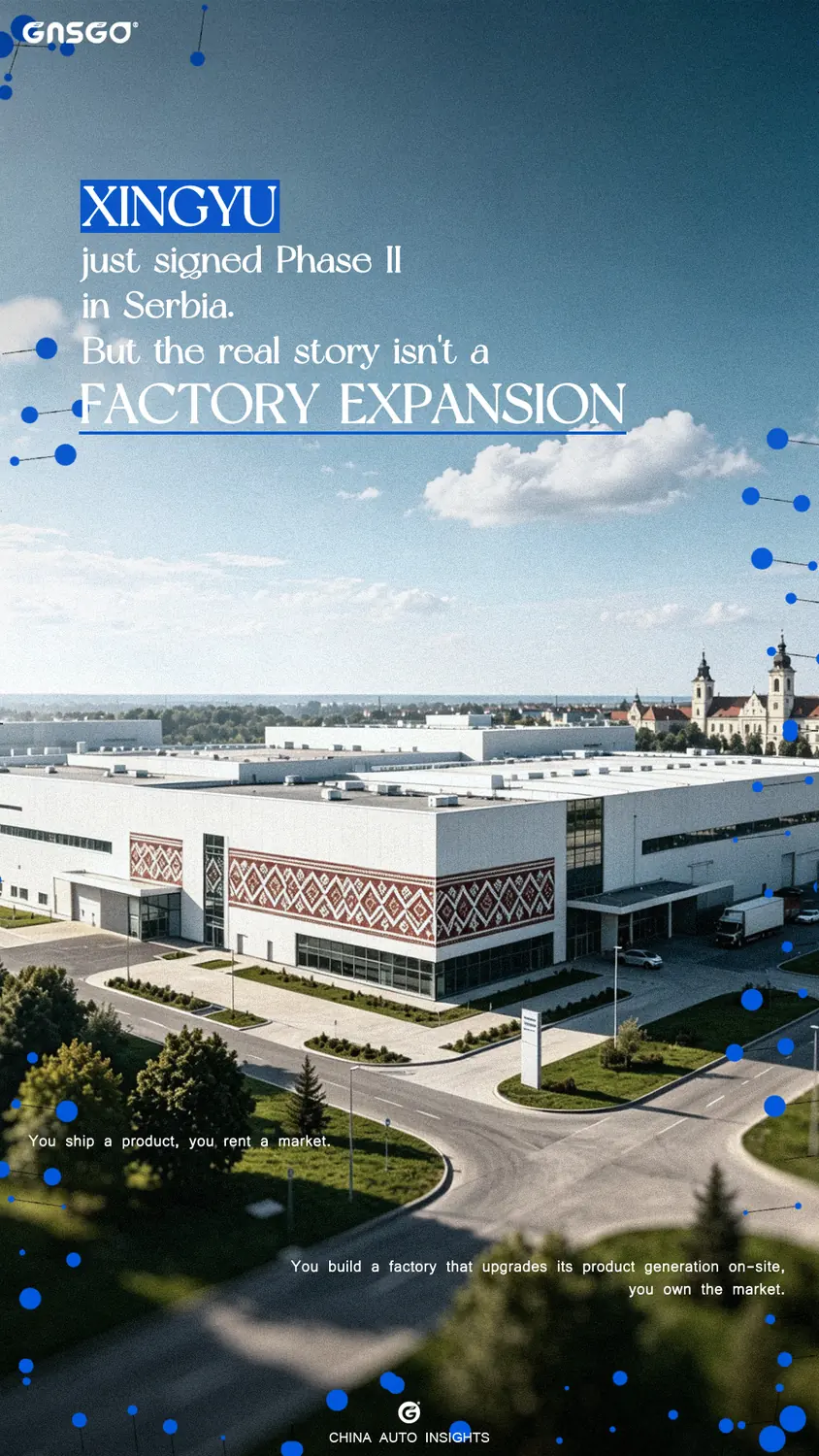
Xingyu Automotive Lighting Systems has operated a subsidiary in Niš since 2019.
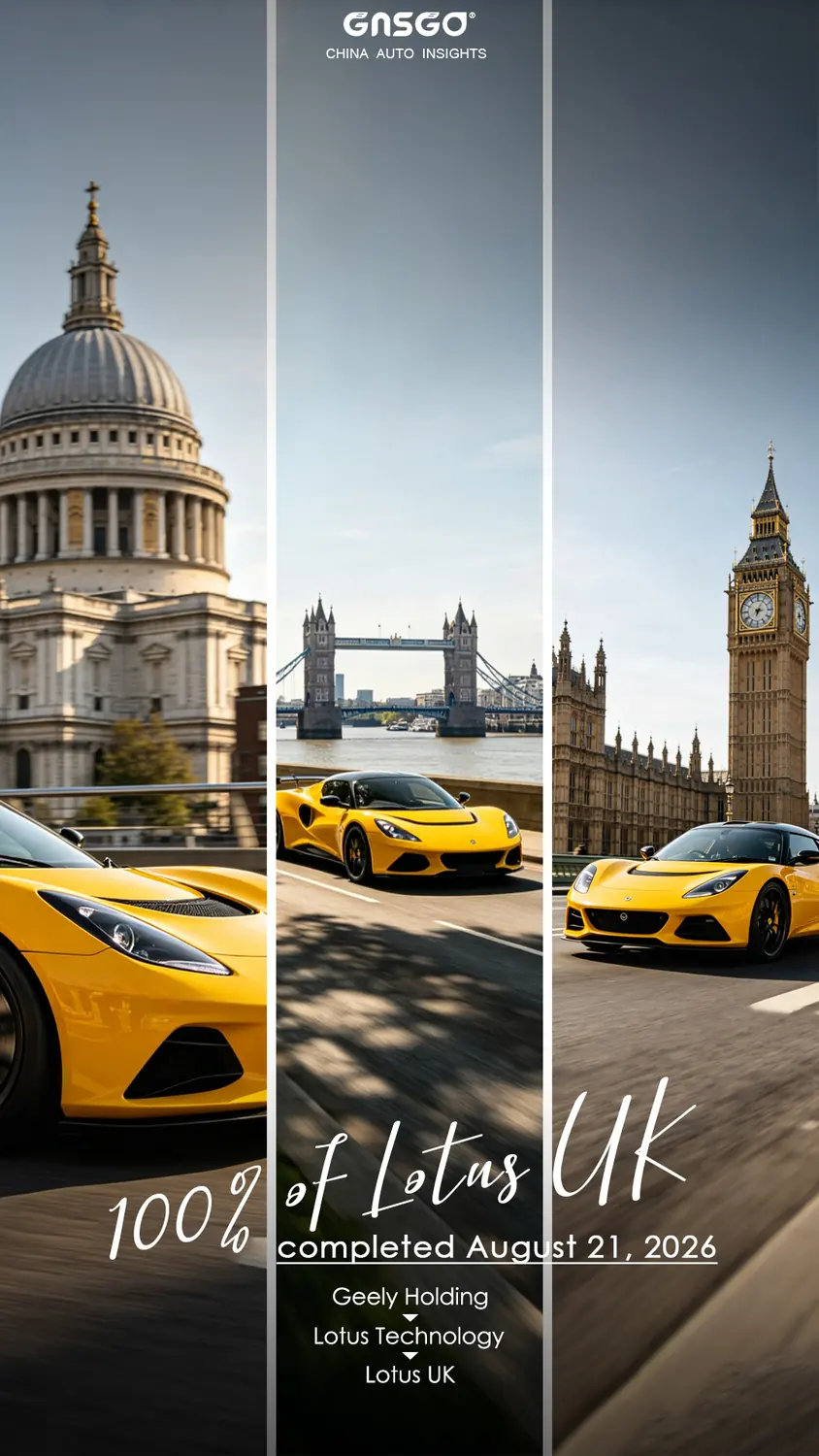
Most coverage is treating this as a brand story: Geely finally owns Lotus outright.
The latest global tire industry ranking is out. 75 companies.
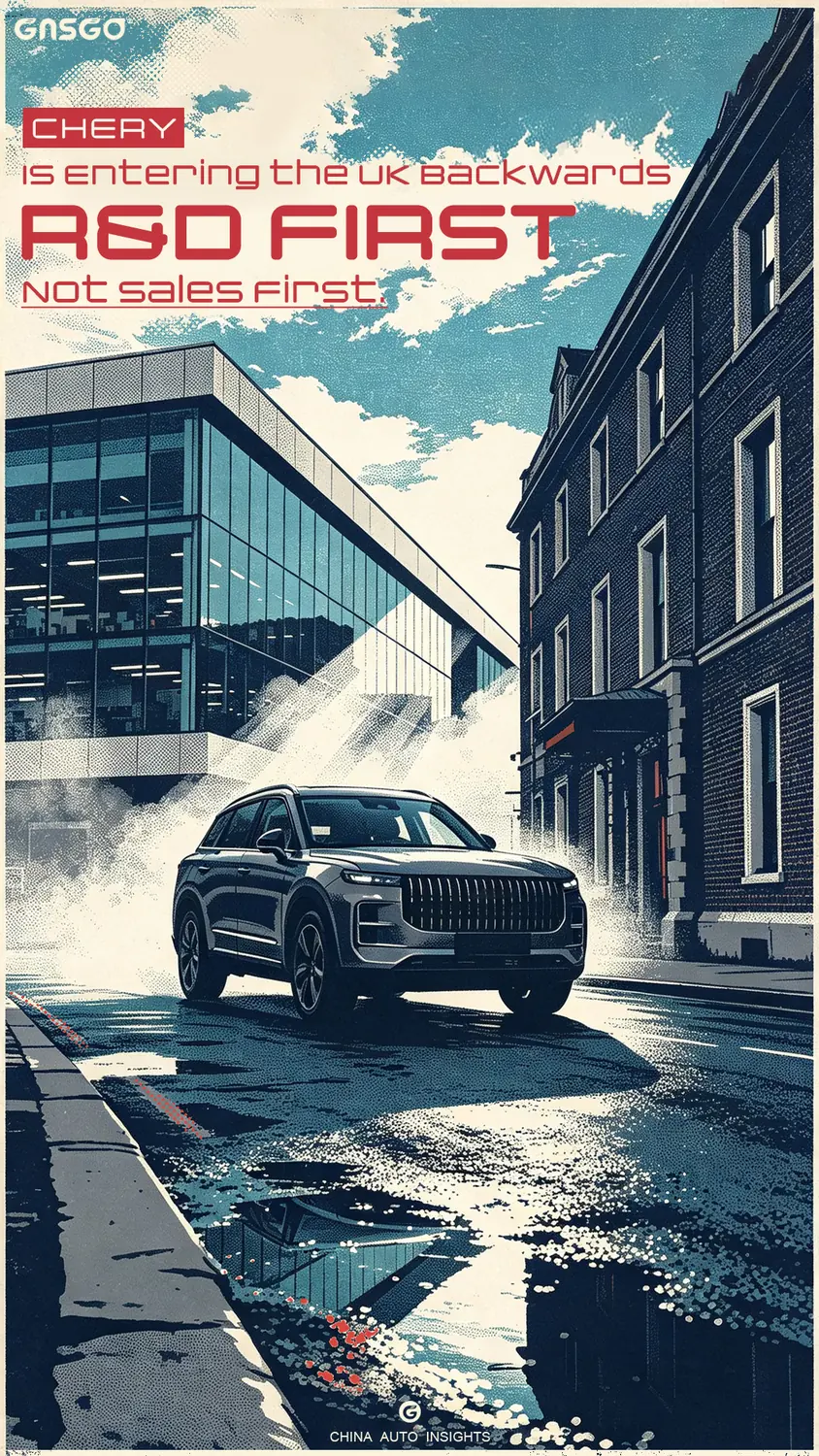
Initial focus: chassis dynamics and ADAS calibration for UK driving conditions.
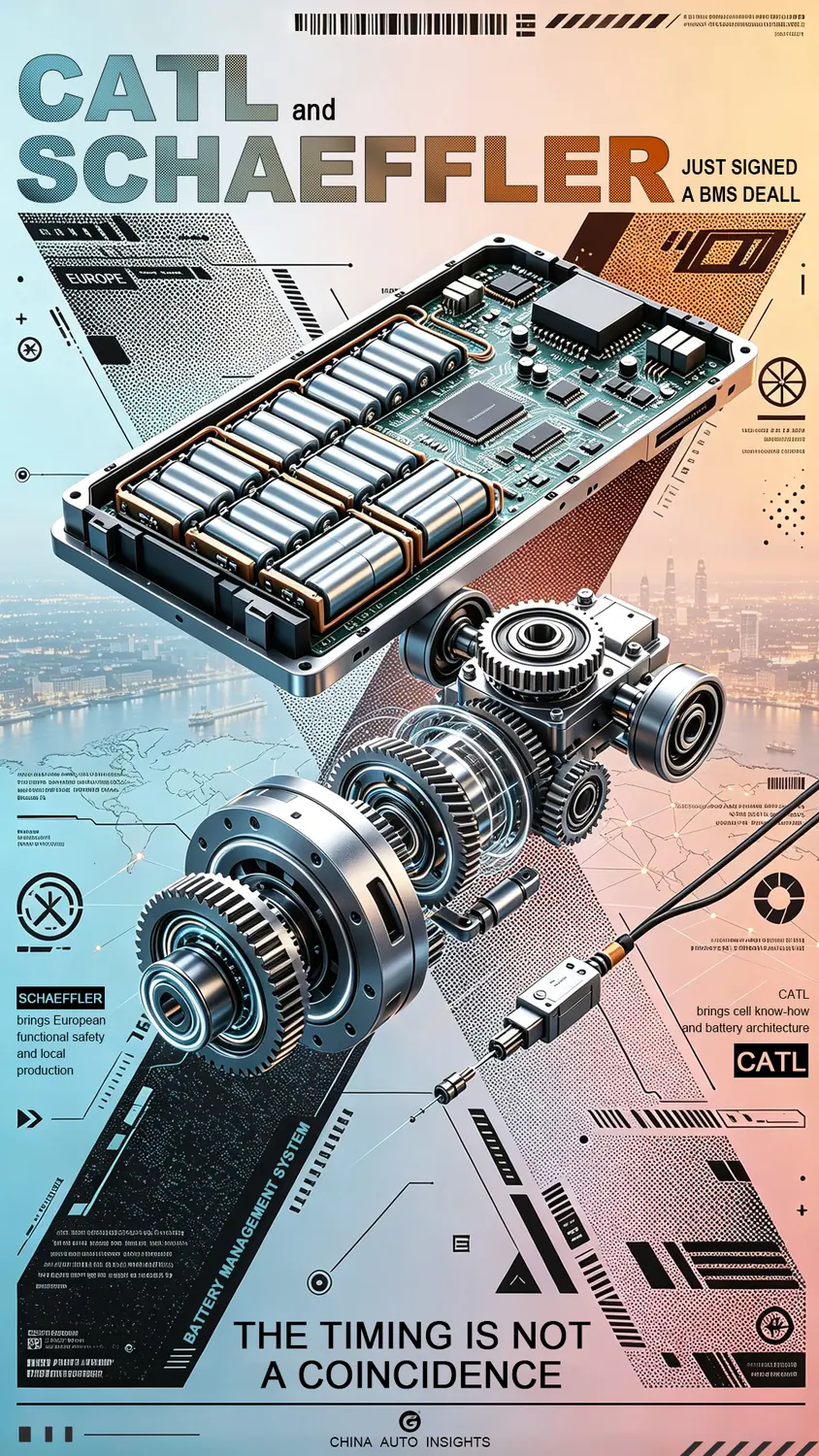
Schaeffler's European BMS capability comes from its 2024 acquisition of Vitesco Technologies.
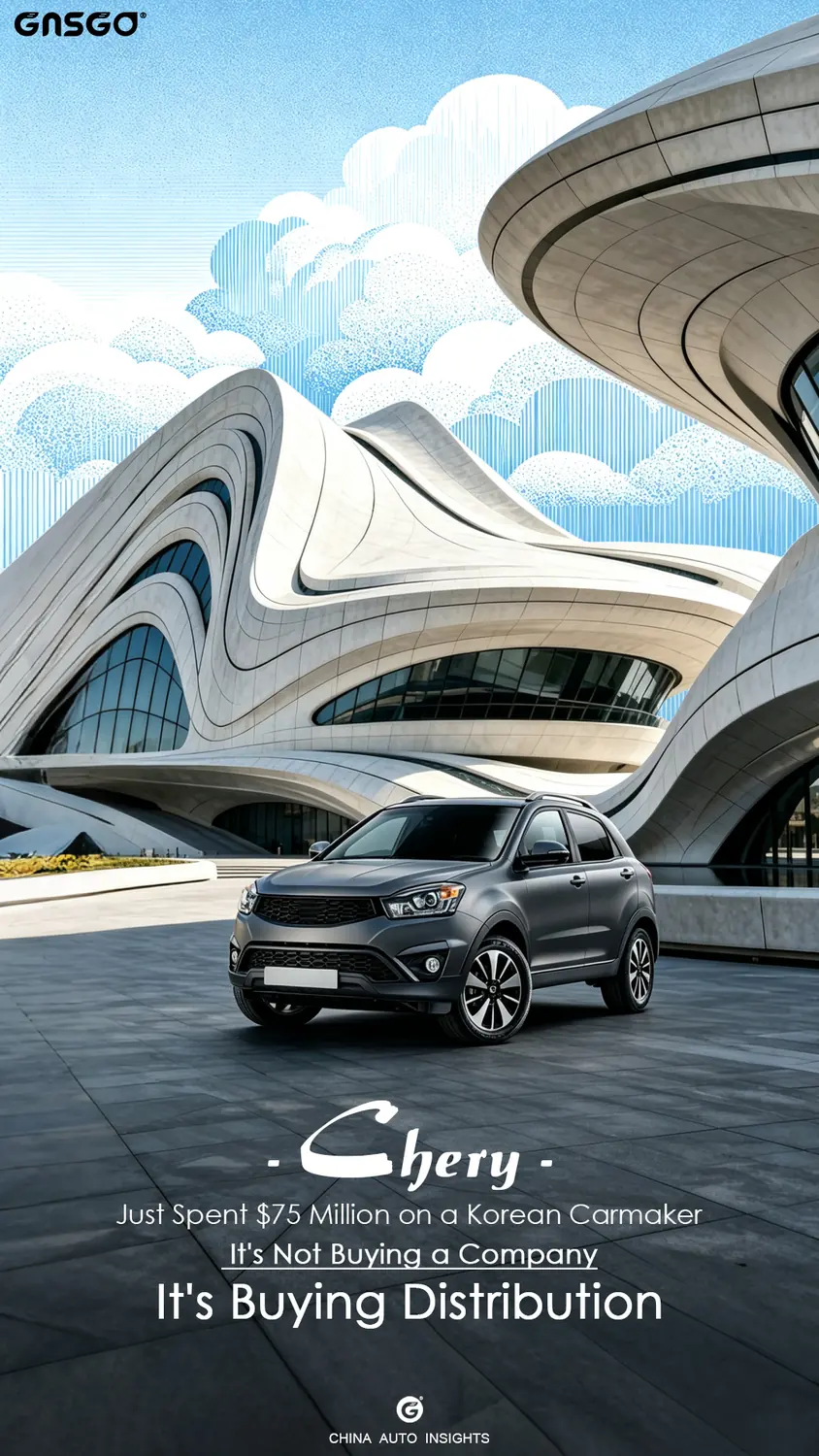
In 2026, Chery is paying $75 million for a 10% stake in the same company — now called KGM — via convertible bonds.
On August 19, Unitree Robotics listed on China's STAR Market.
Shenlong used to be one of China's biggest joint ventures — 650,000 cumulative sales, peak annual volume around 700,000.
Li Shufu stepped down as Chairman of Geely Auto's listed company on August 18.
BYD, Geely and Chery hold top-10 places by global market share in the first half of 2026, together accounting for 13.5% of global sales.