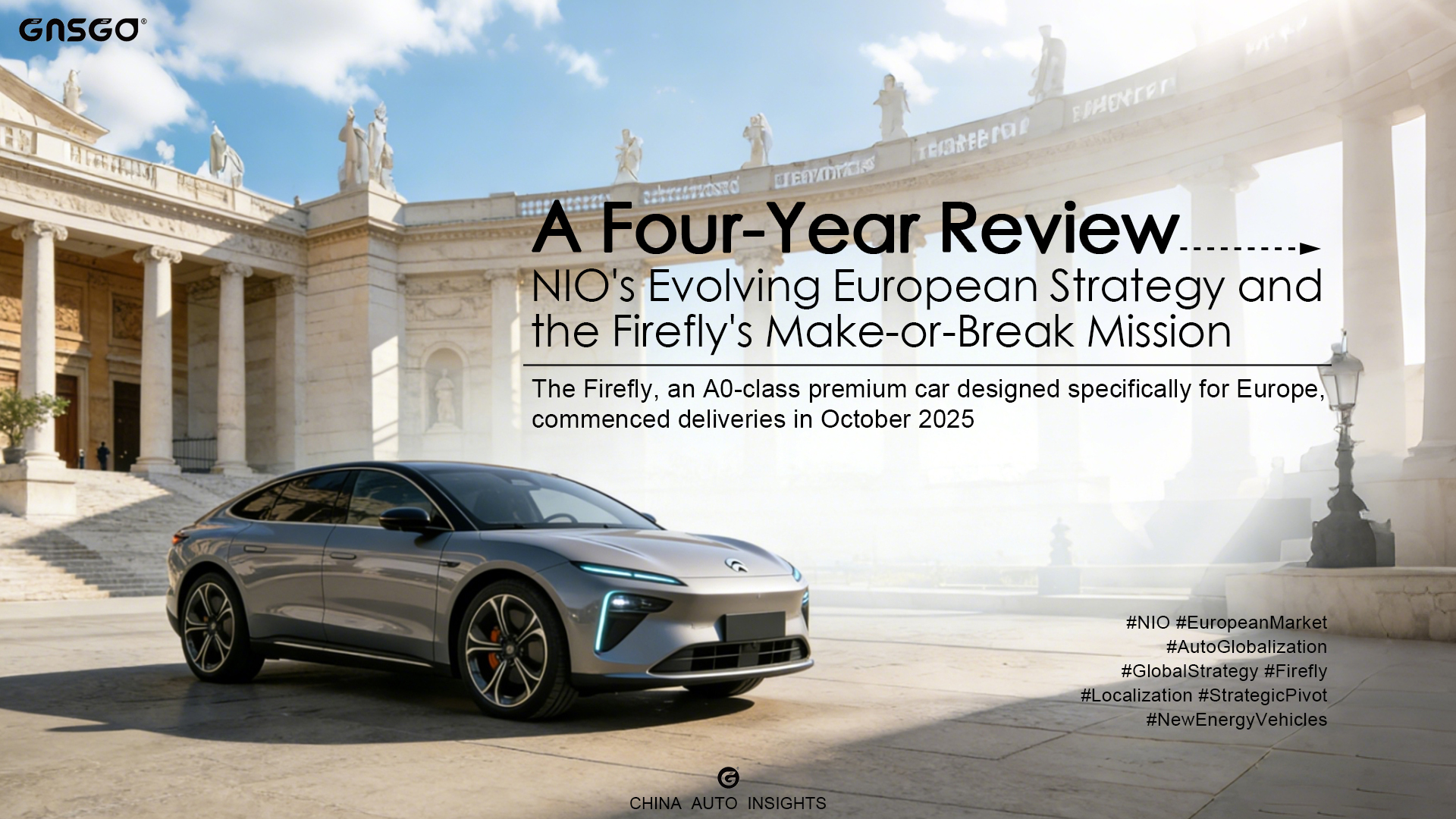
NIO's European Strategy and the Firefly's Mission
NIO's cumulative sales across its five key European markets reached only around 7,000 vehicles, with 61 battery swap stations built.

Market intelligence on China's automotive globalization — EV exports, brand strategies, supply chain shifts and aftermarket opportunities.
NIO's cumulative sales across its five key European markets reached only around 7,000 vehicles, with 61 battery swap stations built.
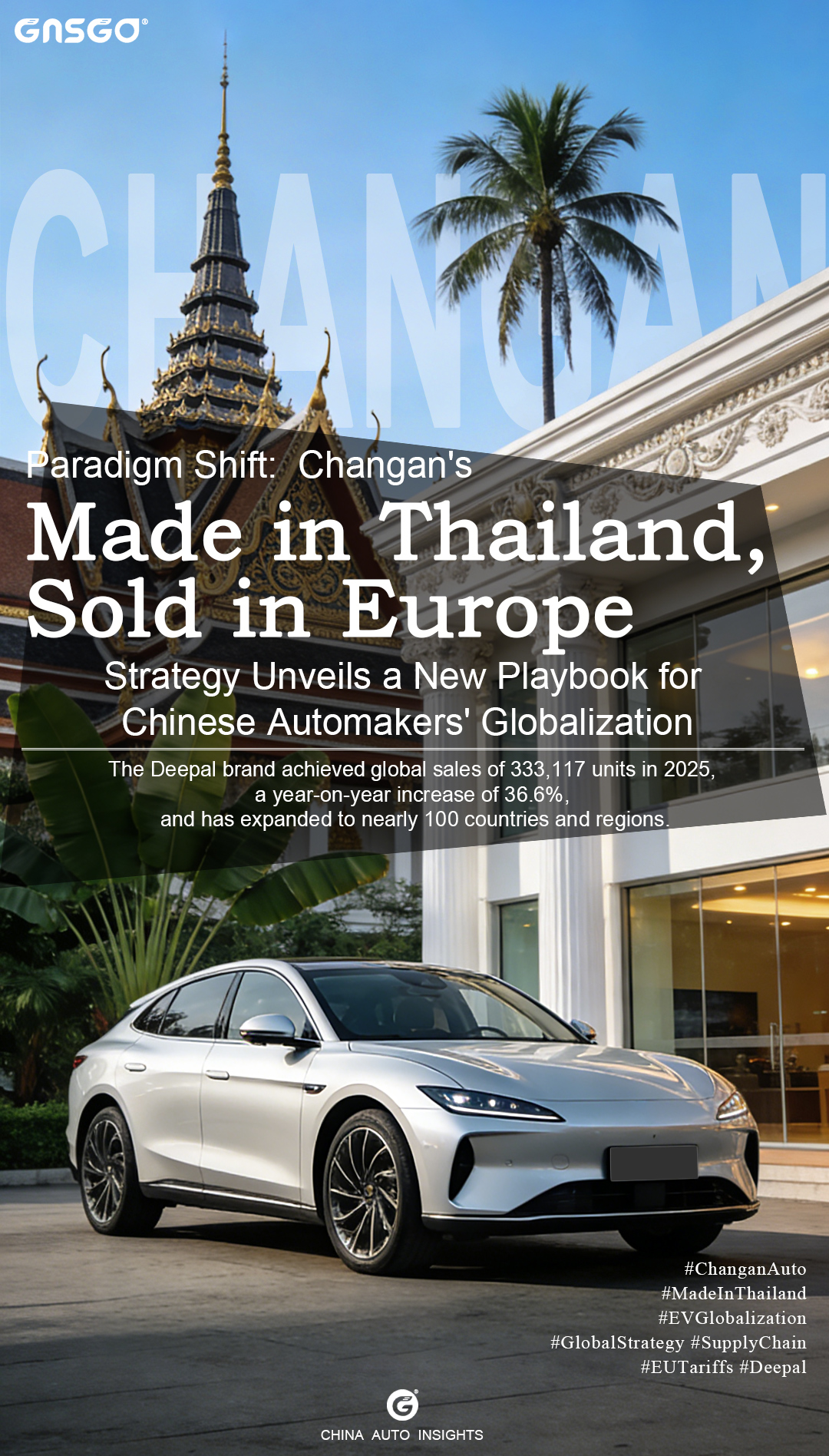
Changan has shipped its first batch of Deepal S05 EVs, built at its Rayong plant in Thailand, for export to Europe, with the UK the first stop.
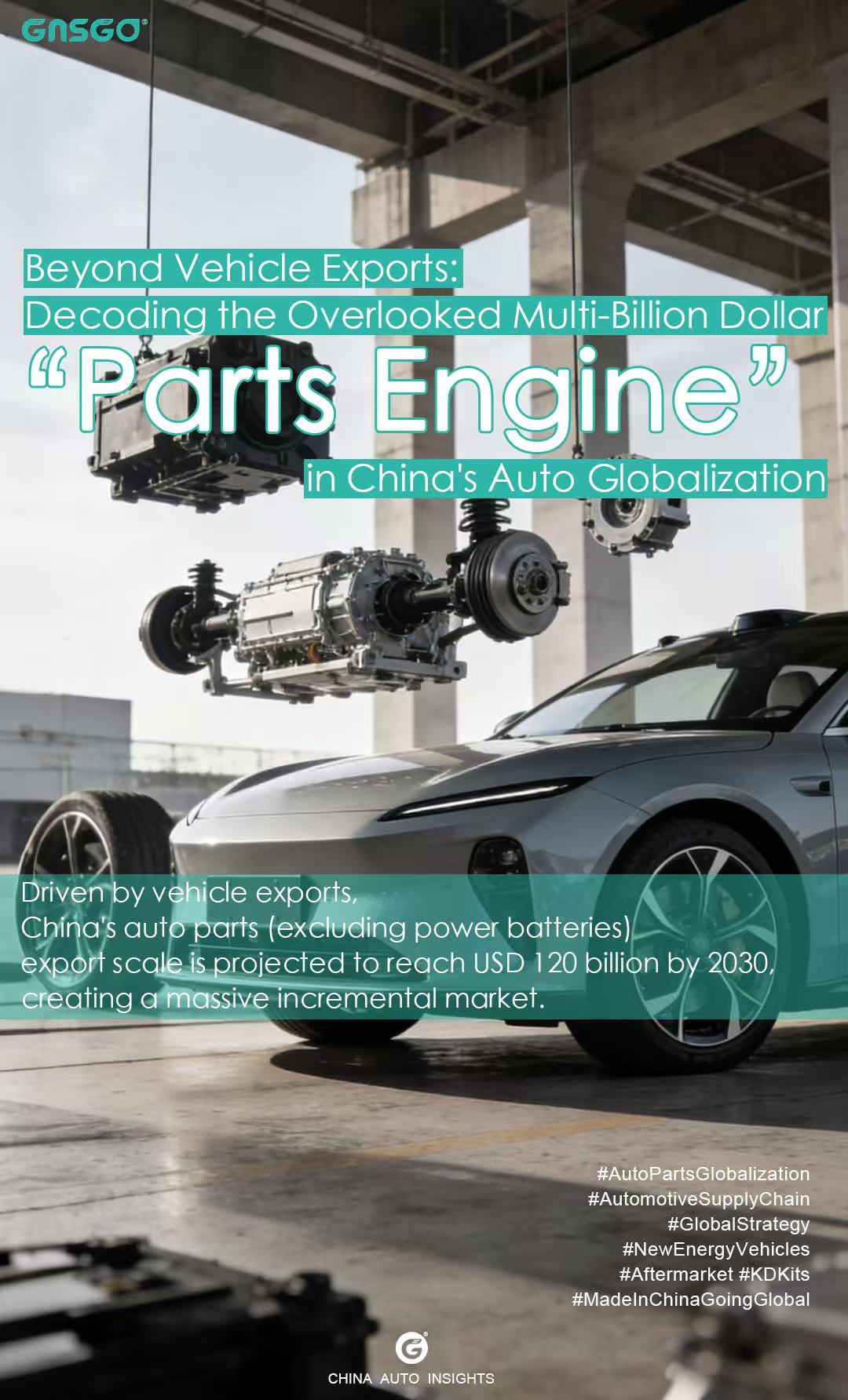
China's auto parts exports excluding power batteries are projected to reach USD 120 billion by 2030, driven by vehicle exports that keep generating demand.
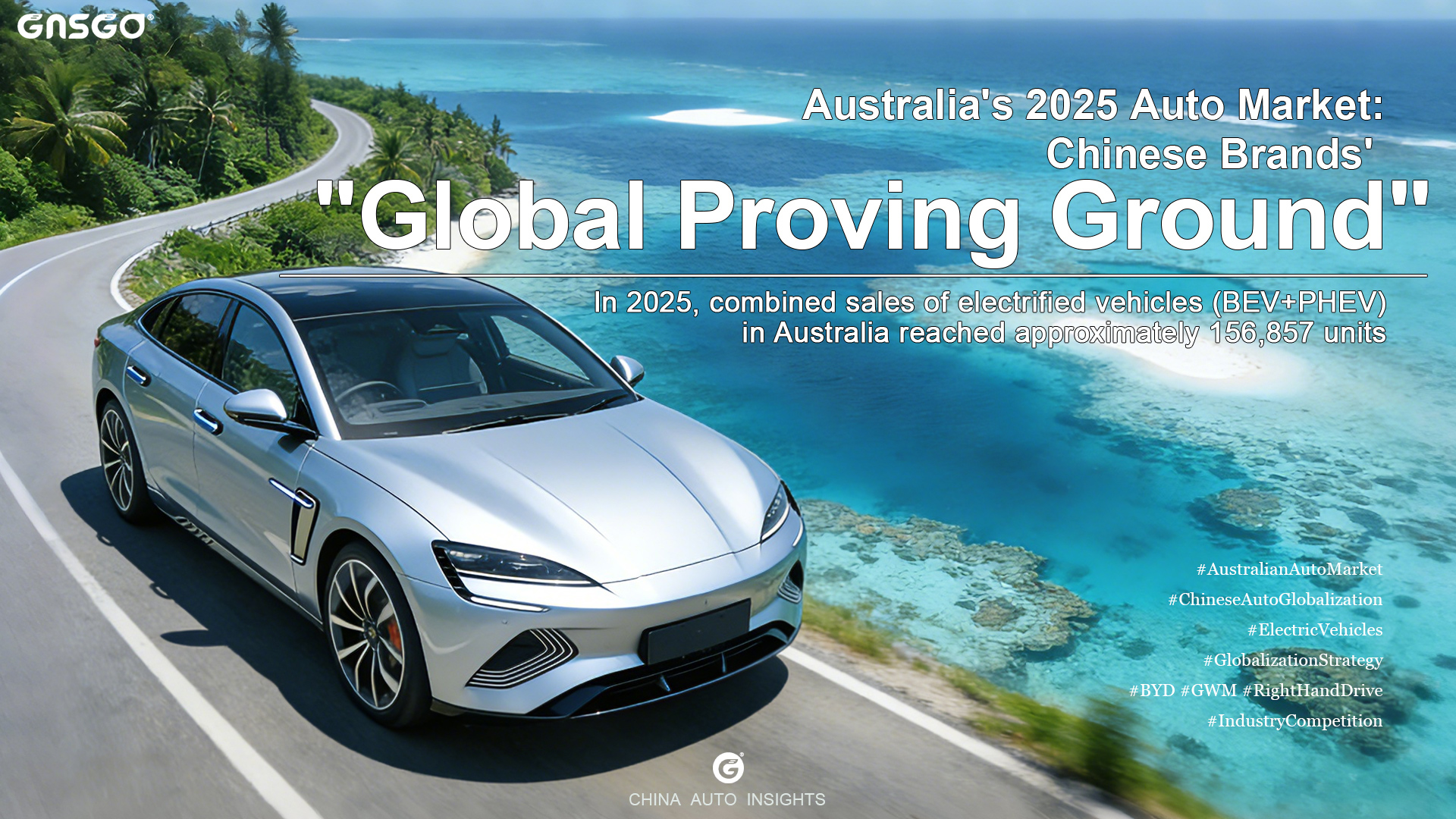
Australian new vehicle sales reached 1,241,037 units in 2025, a third consecutive record year, with GWM, BYD, MG and Chery driving the growth.
In the first eleven months of 2025 Chinese brands' share of Hong Kong's private car market passed 35%, doubling from 2024.
Despite EU countervailing duties of up to 45%, Chinese car sales in Europe nearly doubled in 2025, with BYD and Chery building locally.
In the first half of 2025 new registrations of pure electric passenger cars in Thailand reached 57,289 units, up 52% and over 15% of new car sales.
Chinese vehicle exports to the Middle East reached 1.21 million units from January to November 2025, up 36%, lifting market share to 17%.
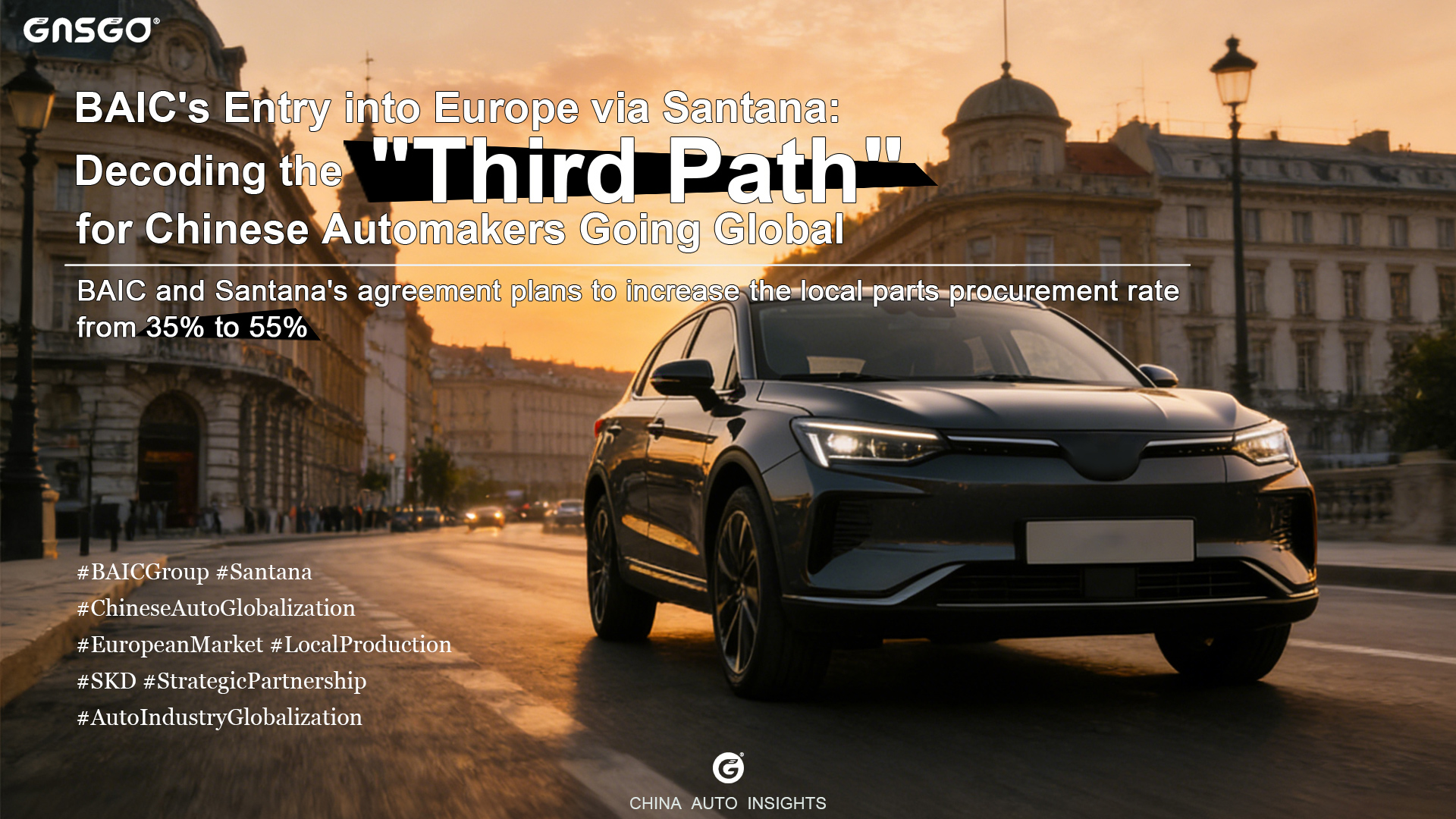
BAIC and Santana have formed a long-term partnership to ship five SUV models based on BAIC platforms, including the BJ40 and BJ30, to the Spanish market.
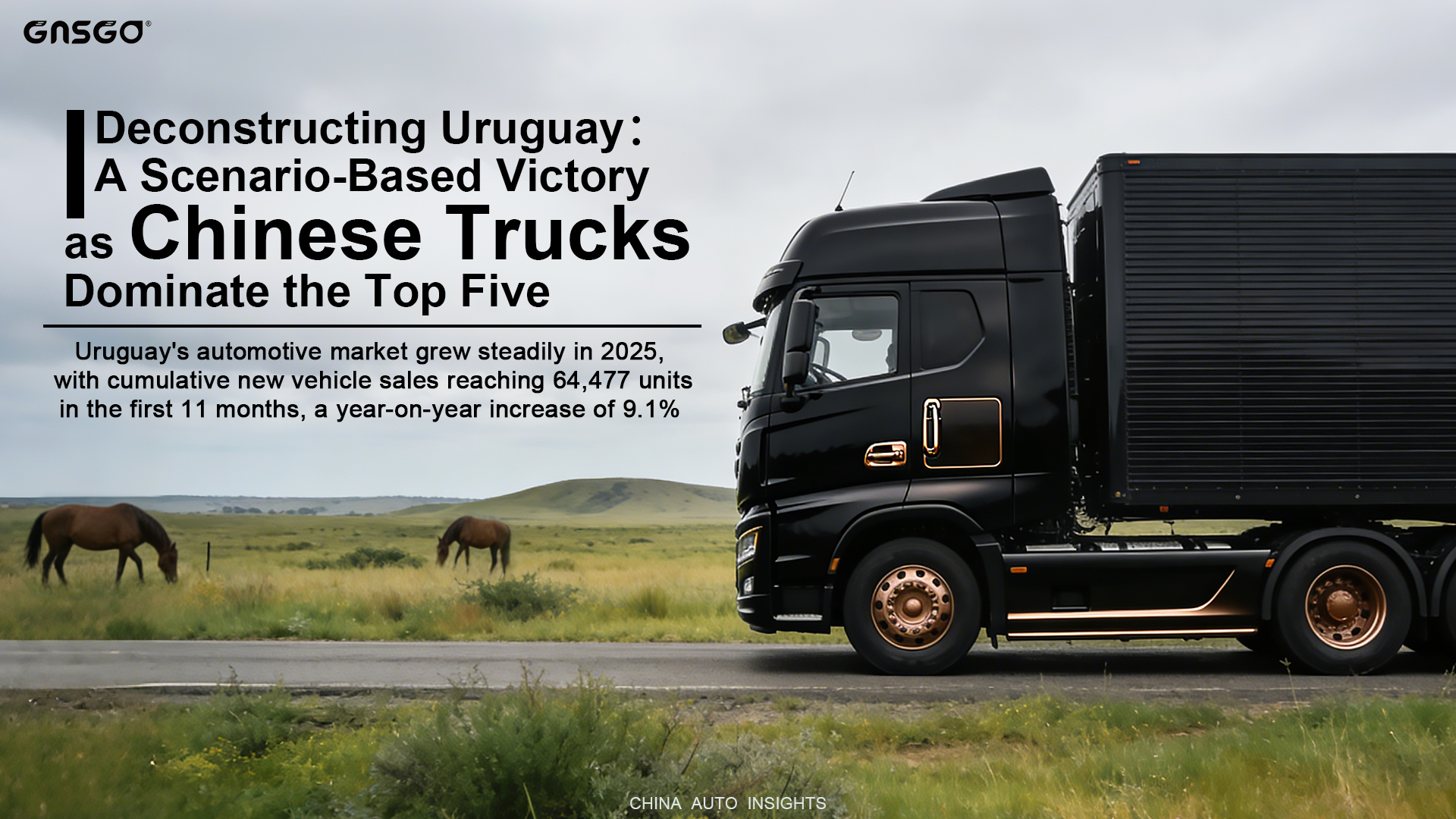
From January to October 2025 Chinese brands held four of the top five places in Uruguay's truck sales ranking, led by JAC with 417 units.

From January to September 2025 Mexico imported 410,739 Chinese vehicles, passing Russia and the UAE to become China's top auto export destination.
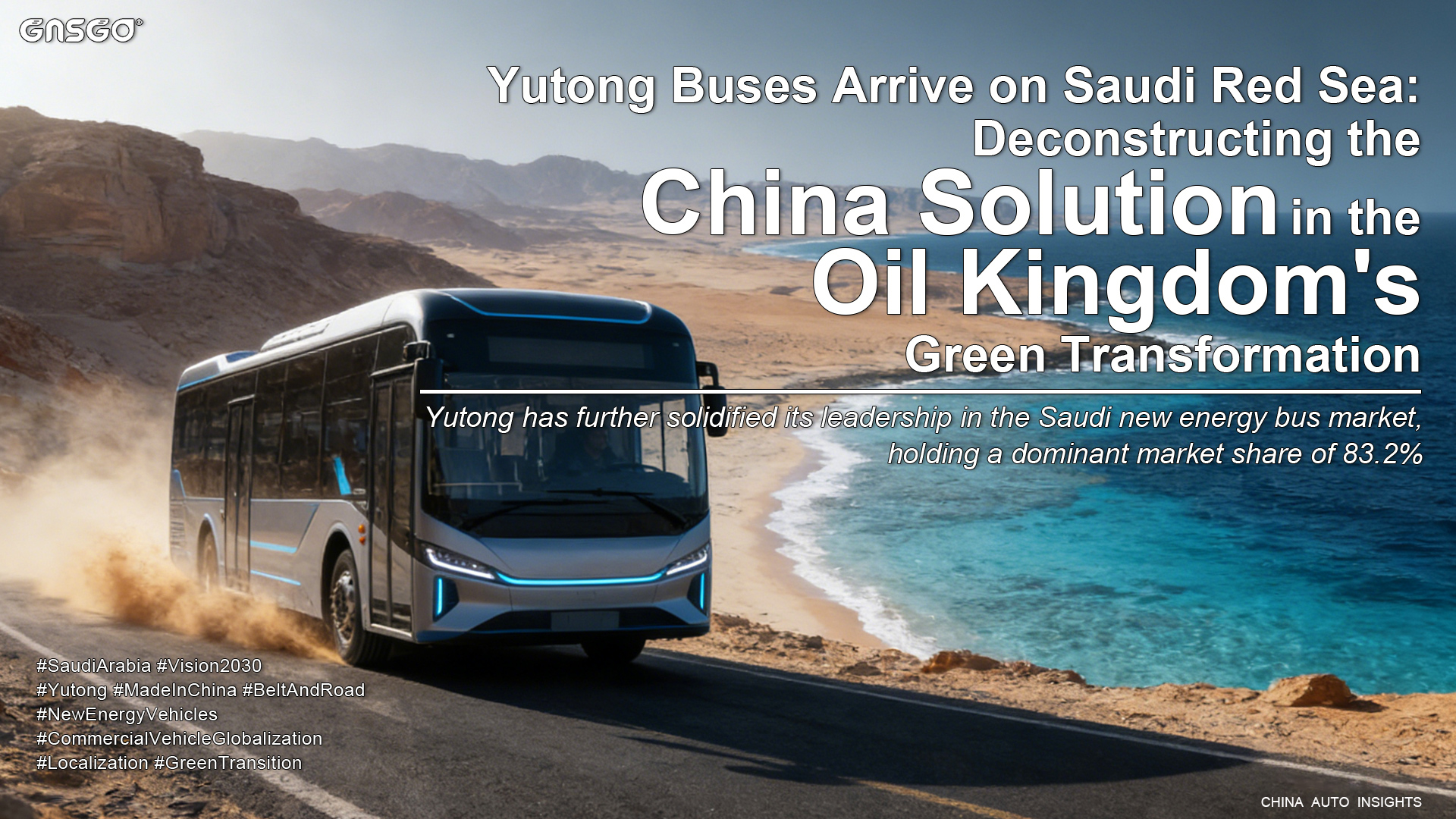
The first 90 of nearly 200 Yutong pure electric buses procured by Saudi Arabia's Red Sea Global Group and SIXT have entered service in the Red Sea region.