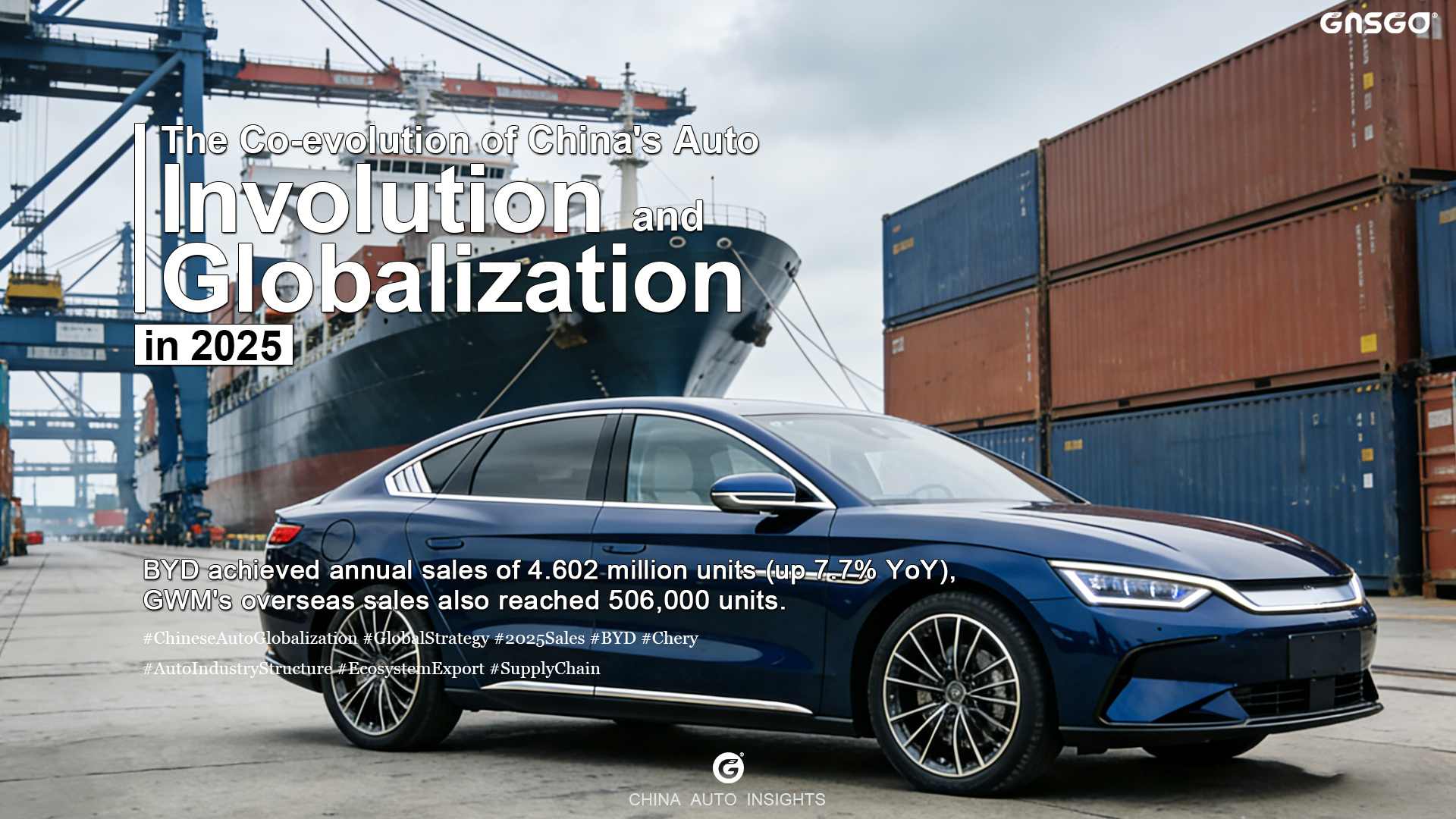
China 2025: Domestic Pressure Becomes Global Push
China's structural adjustment deepened in 2025: BYD reached sales of 4.602 million units, up 7.7%, while its core Dynasty Series fell 10.1%.

Market intelligence on China's automotive globalization — EV exports, brand strategies, supply chain shifts and aftermarket opportunities.
China's structural adjustment deepened in 2025: BYD reached sales of 4.602 million units, up 7.7%, while its core Dynasty Series fell 10.1%.
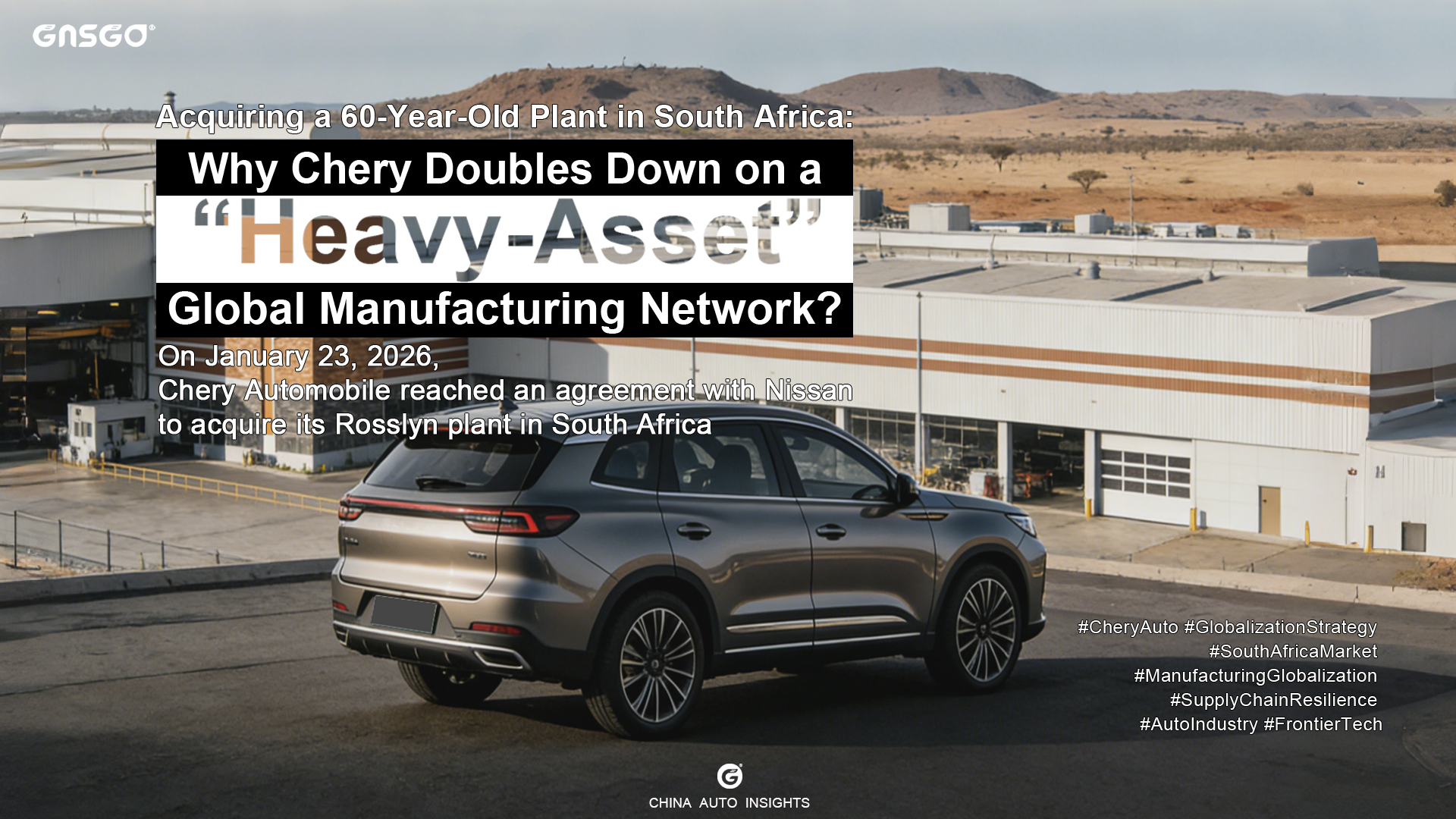
On 23 January 2026 Chery agreed with Nissan to acquire the Rosslyn plant in South Africa, a site with nearly 60 years of history and complete processes.
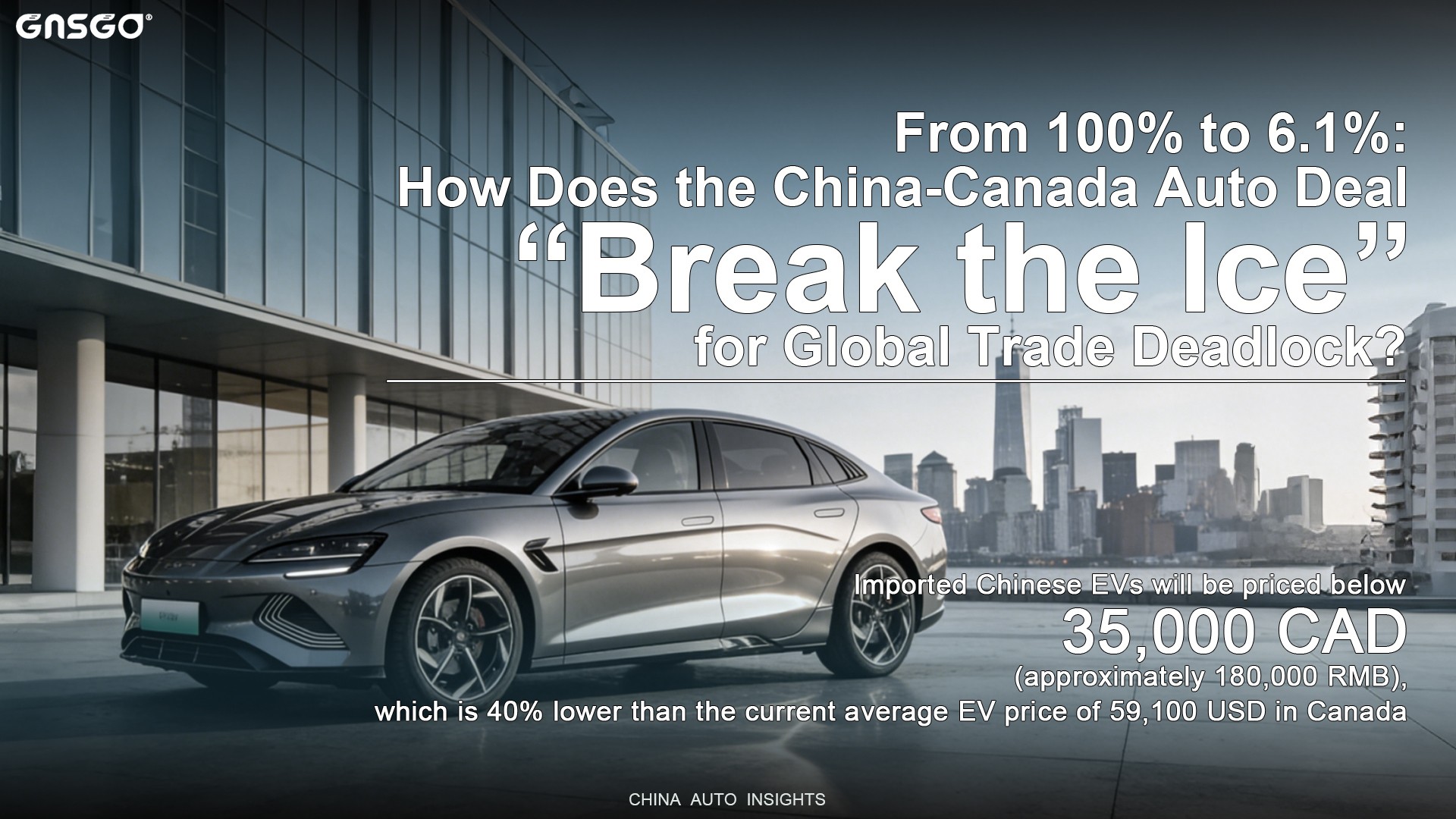
On 16 January 2026 Canadian Prime Minister Carney announced the removal of the 100% additional tariff on Chinese electric vehicles imposed since 2024.
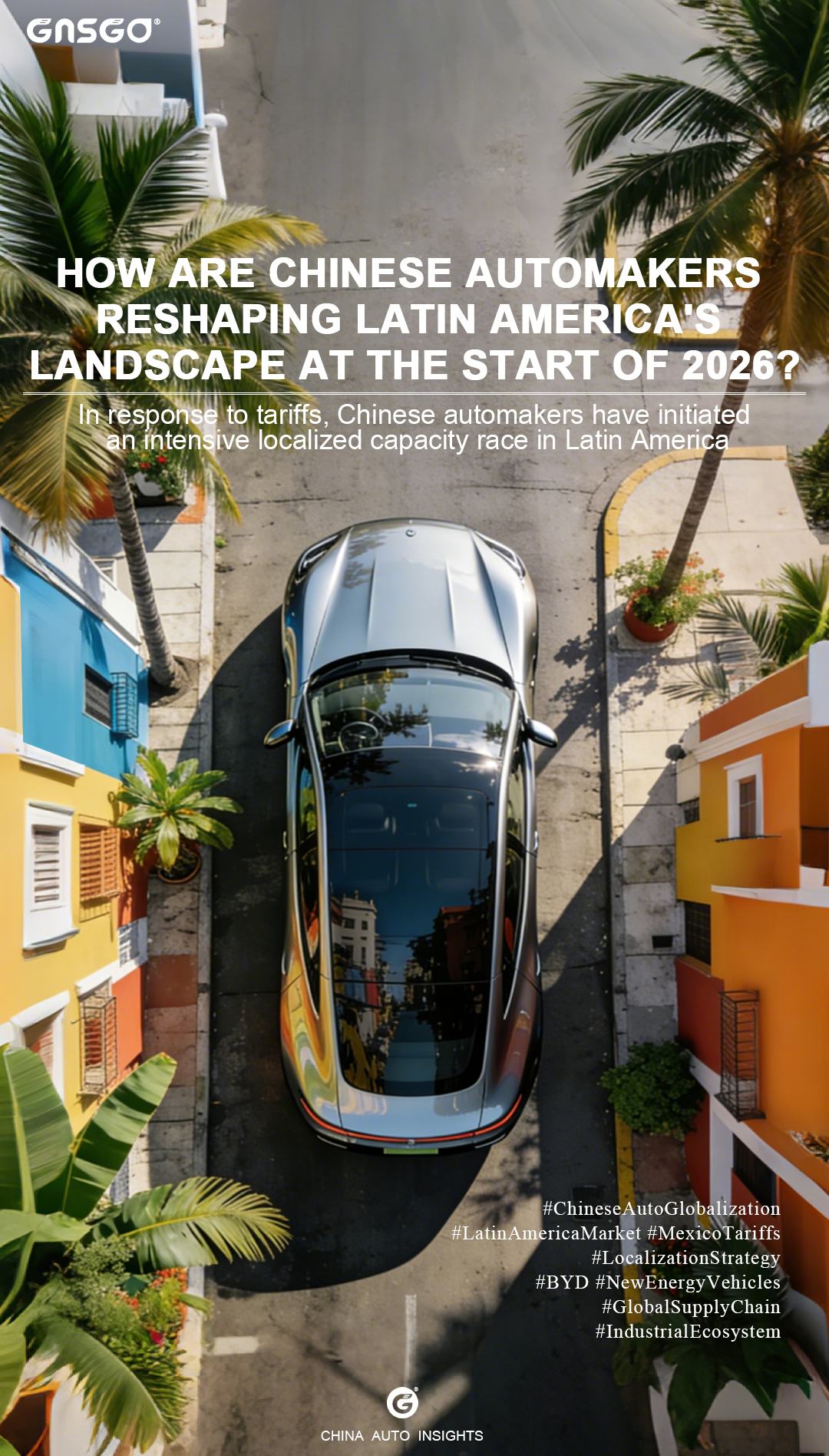
From 1 January 2026 Mexico's higher tariffs on Chinese cars took effect, rising from 20% to as much as 50%, pushing automakers to rethink their plans.
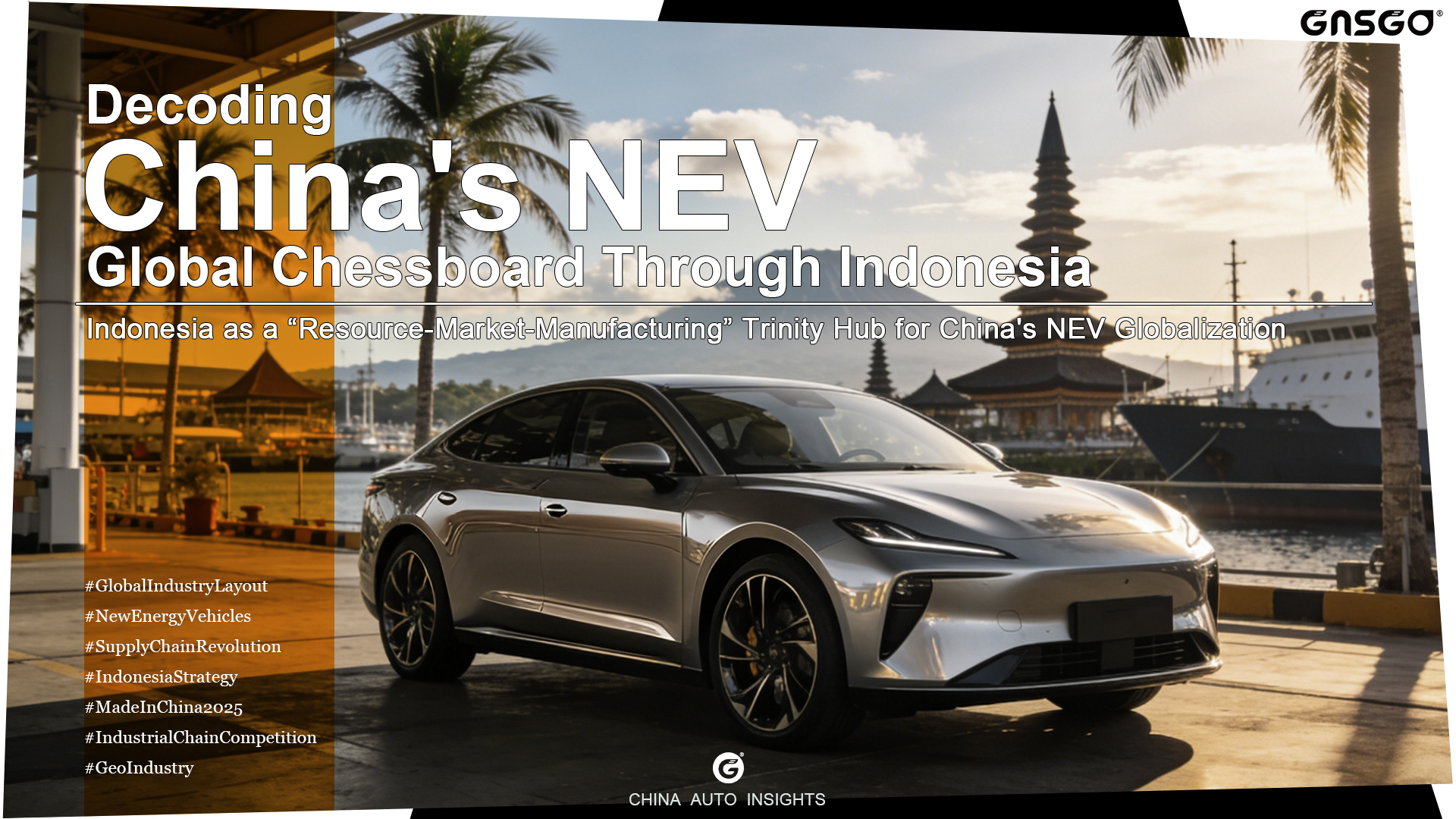
Indonesia holds 52% of global nickel resources and aims for 30% EV penetration by 2030.
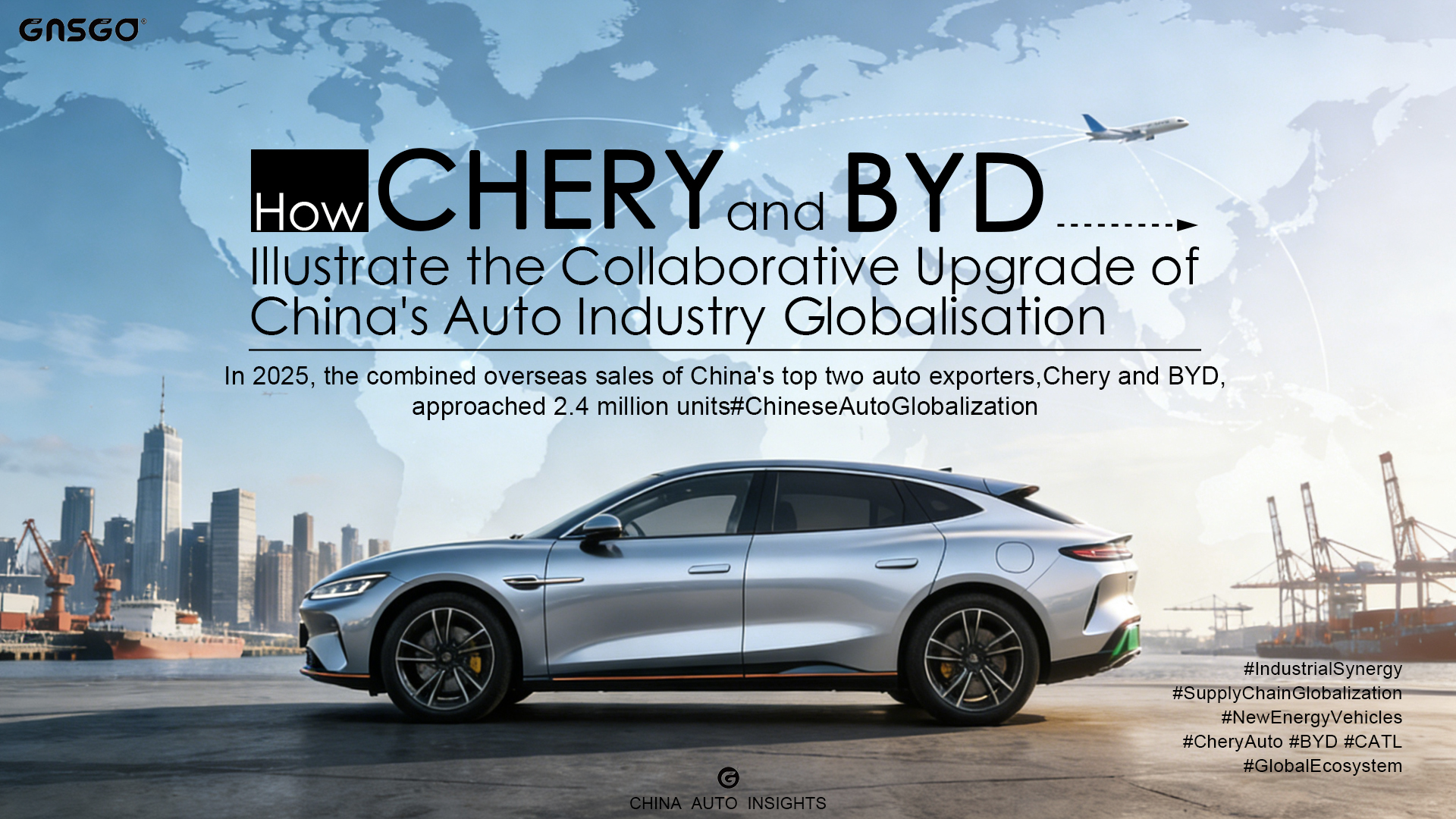
In 2025 combined overseas sales at China's two largest auto exporters, Chery and BYD, approached 2.4 million units, a large share of vehicle exports.
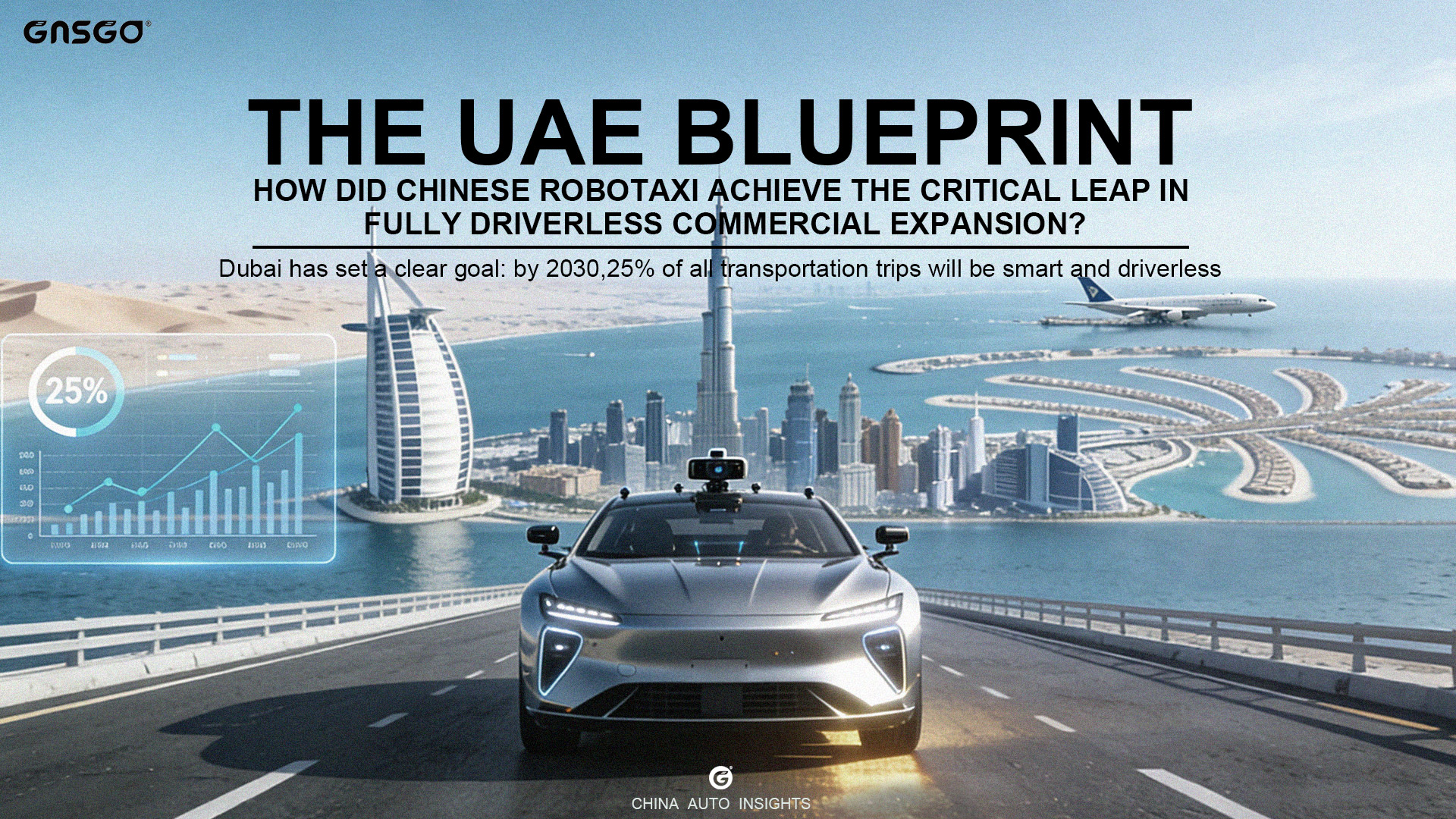
In January 2026 Baidu's Apollo Go and the UAE's AutoGo opened fully driverless commercial robotaxi operations to the public on Yas Island in Abu Dhabi.
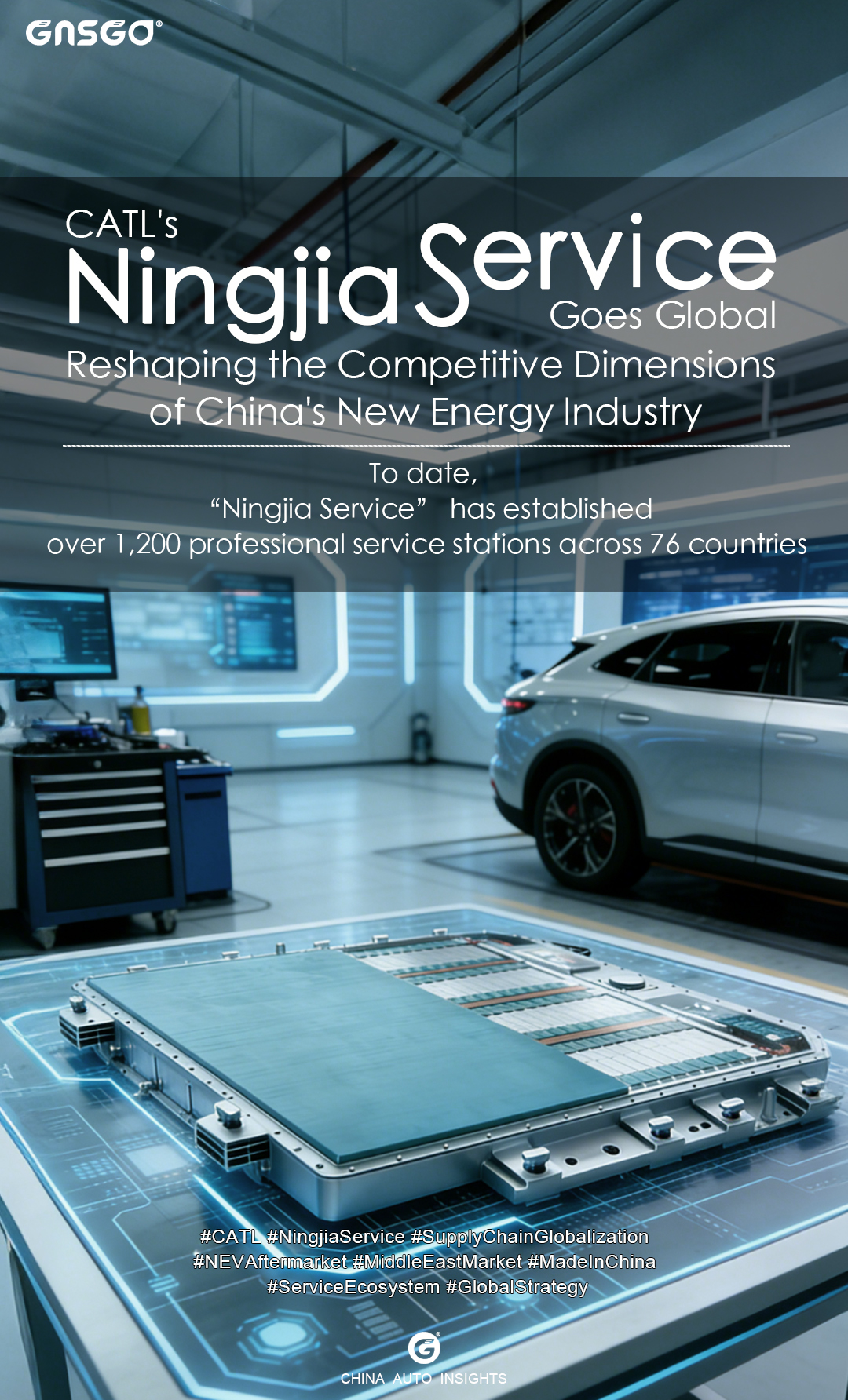
In January 2026 CATL opened a 7,000 square metre after-sales centre in Riyadh, its largest in the Middle East, as Ningjia passes 1,200 stations.
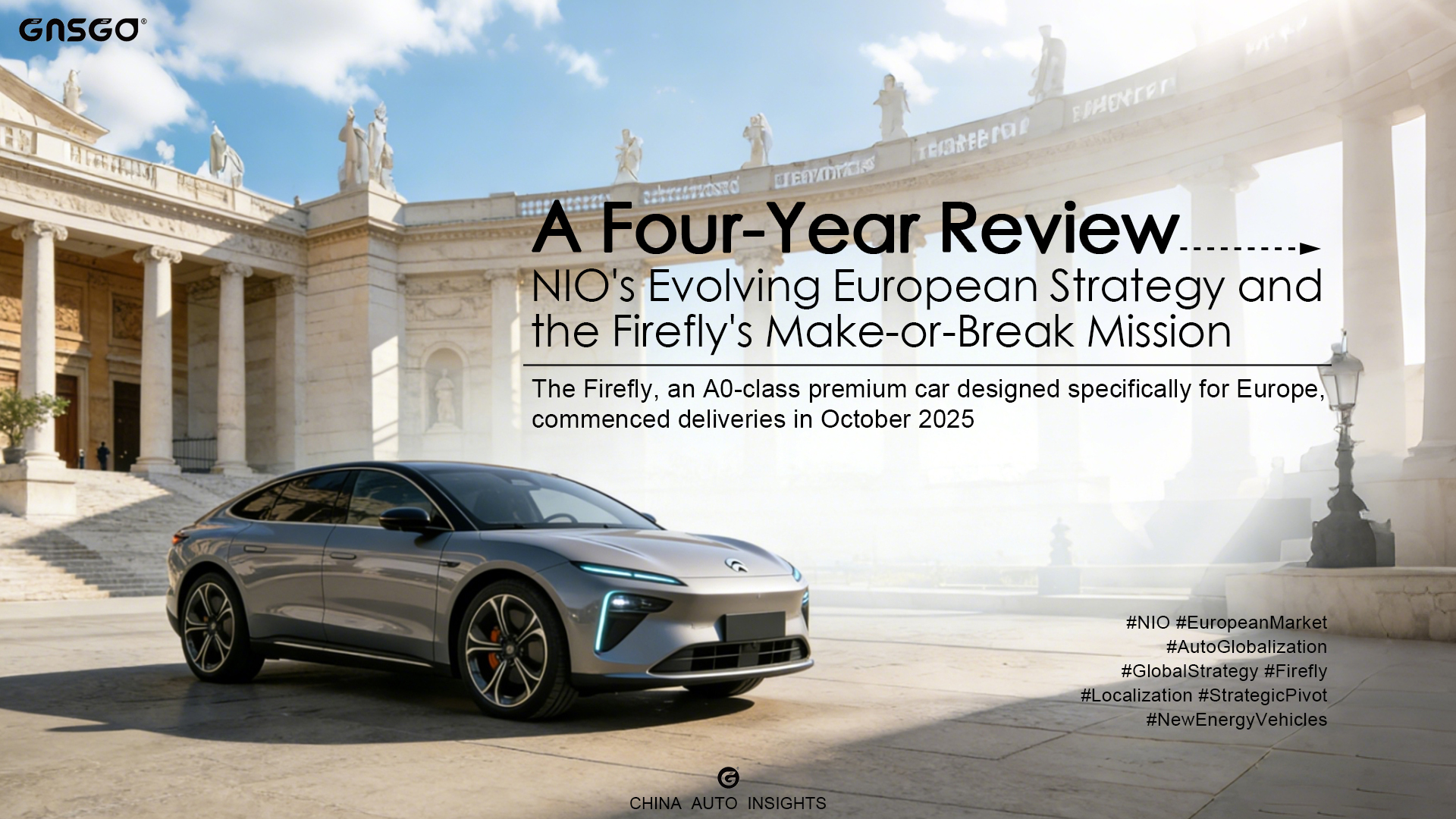
NIO's cumulative sales across its five key European markets reached only around 7,000 vehicles, with 61 battery swap stations built.
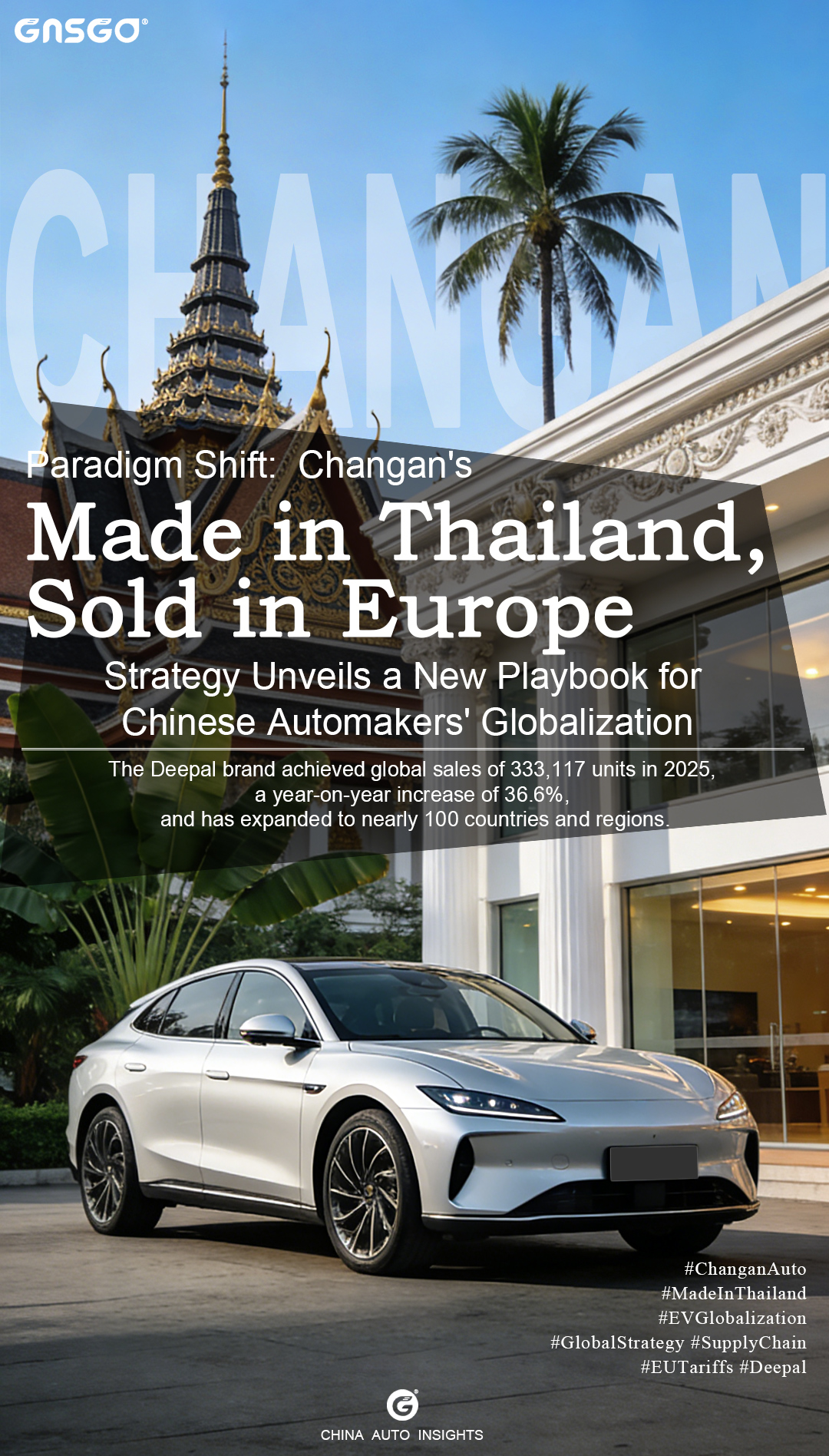
Changan has shipped its first batch of Deepal S05 EVs, built at its Rayong plant in Thailand, for export to Europe, with the UK the first stop.
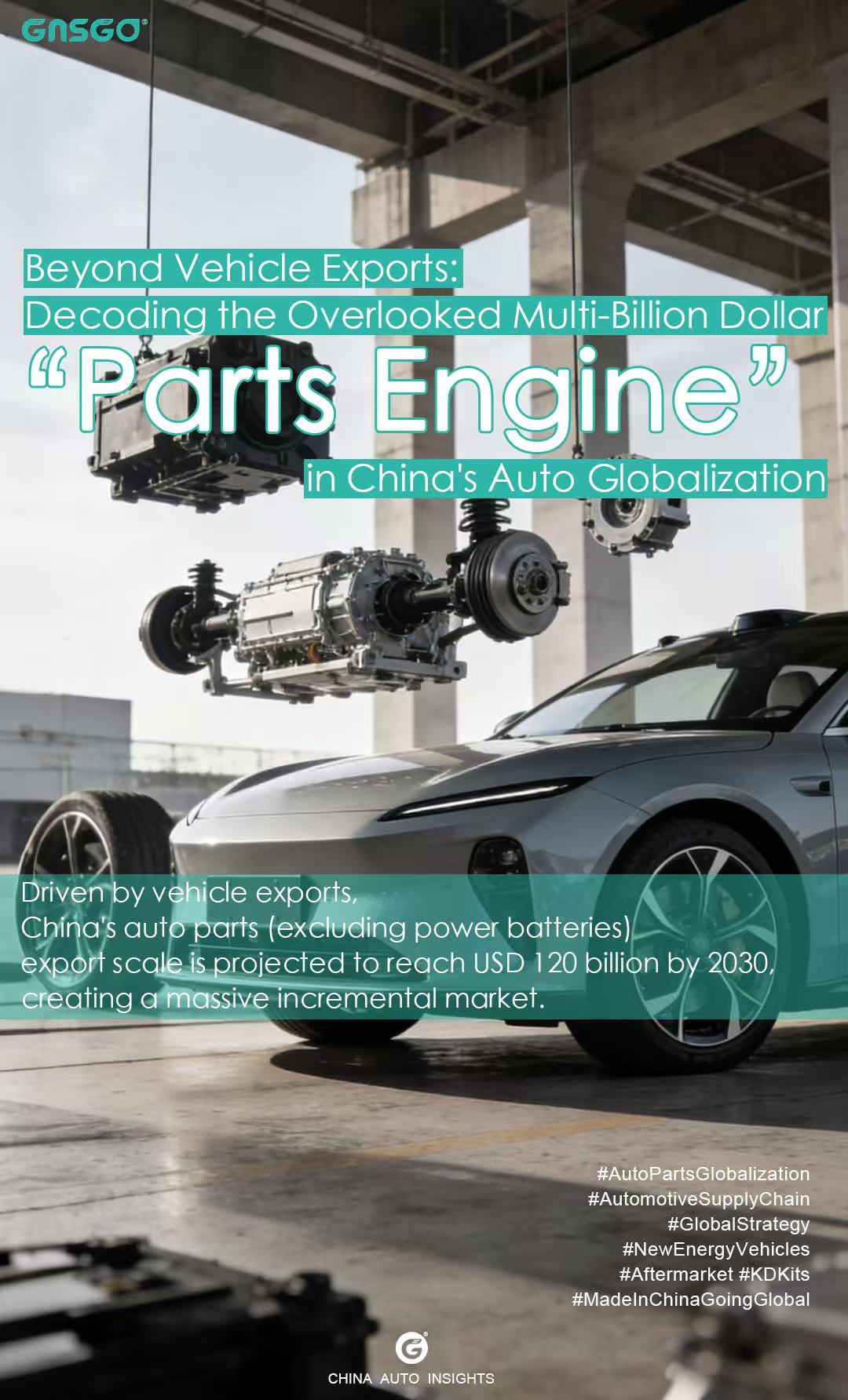
China's auto parts exports excluding power batteries are projected to reach USD 120 billion by 2030, driven by vehicle exports that keep generating demand.
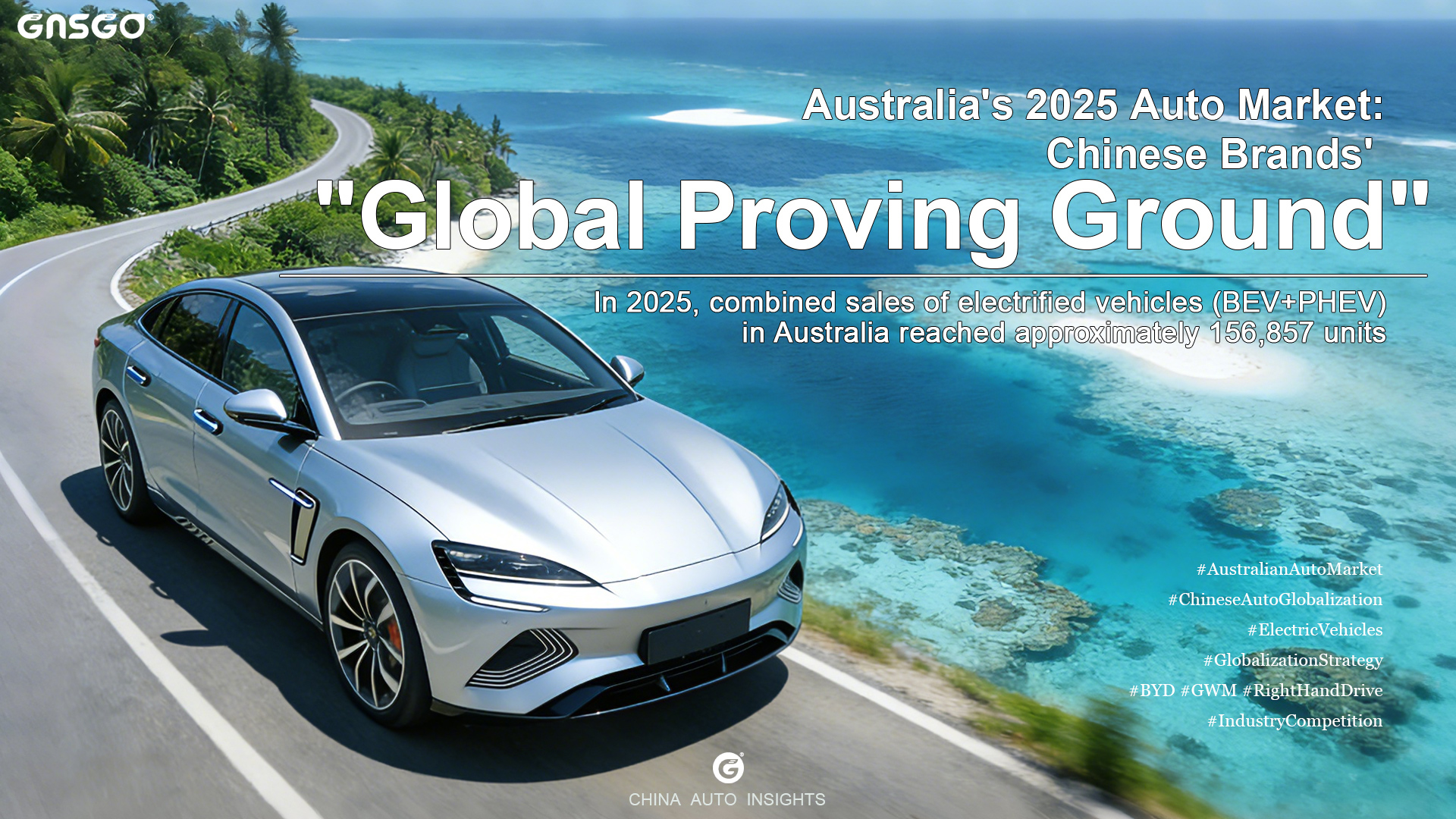
Australian new vehicle sales reached 1,241,037 units in 2025, a third consecutive record year, with GWM, BYD, MG and Chery driving the growth.