From Product to System: China's Automotive Globalization
Chinese automakers aim to triple their overseas production by 2030, after vehicle exports rose from 3.11 million in 2022 to 7.098 million in 2025.

Market intelligence on China's automotive globalization — EV exports, brand strategies, supply chain shifts and aftermarket opportunities.
Chinese automakers aim to triple their overseas production by 2030, after vehicle exports rose from 3.11 million in 2022 to 7.098 million in 2025.
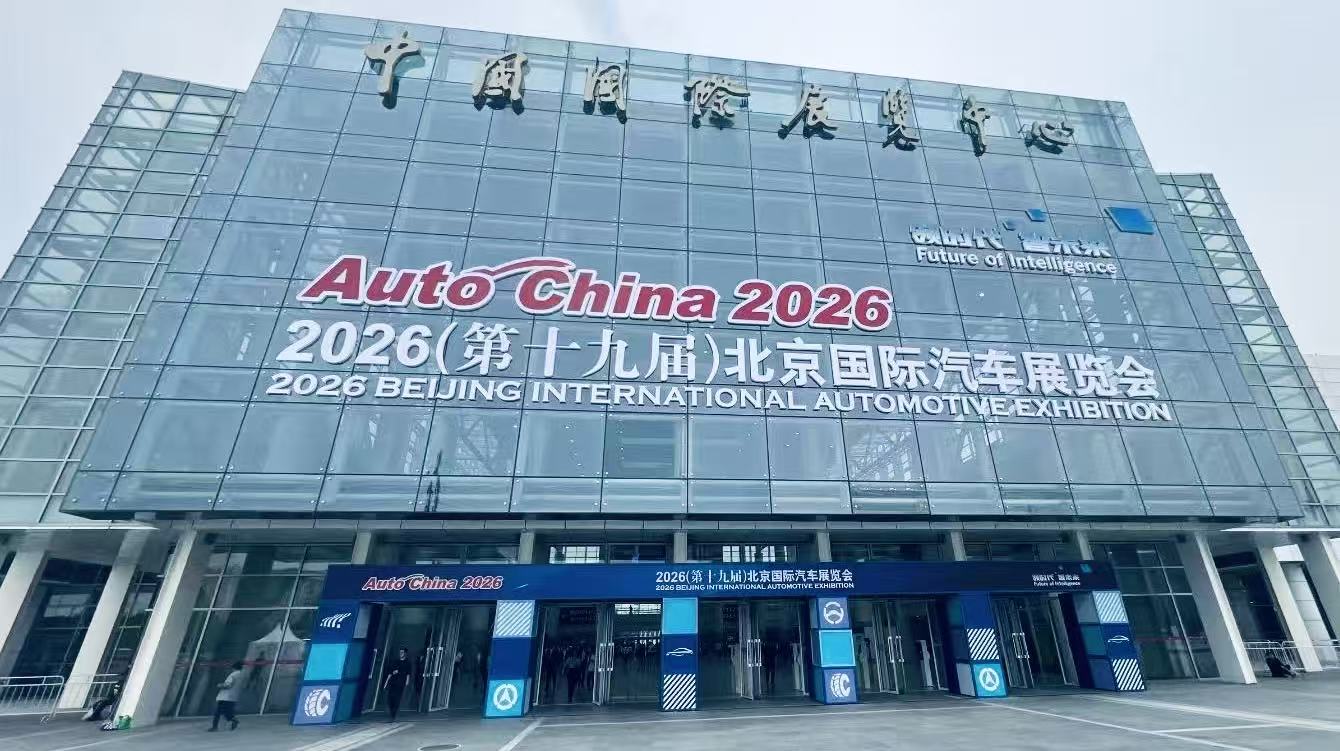
The Beijing Auto Show runs 24 April to 3 May 2026 across 380,000 square metres, with 1,451 vehicles on display and 181 global premieres.

Russia's new passenger car sales reached 1.326 million units in 2025, down 15.6% year on year, with the wider vehicle market down 18.5%.
China exported 954,000 new energy vehicles in the first quarter of 2026, up 116%, with Southeast Asia contributing over 40% of the growth.
Mexico imposed tariffs of 5% to 50% on non-FTA imports, including a 50% duty on passenger car imports, pushing Chinese suppliers towards local production.

China's pickup truck exports reached 300,000 units in 2025, up 21% year on year, with exports now accounting for half of all pickup sales.
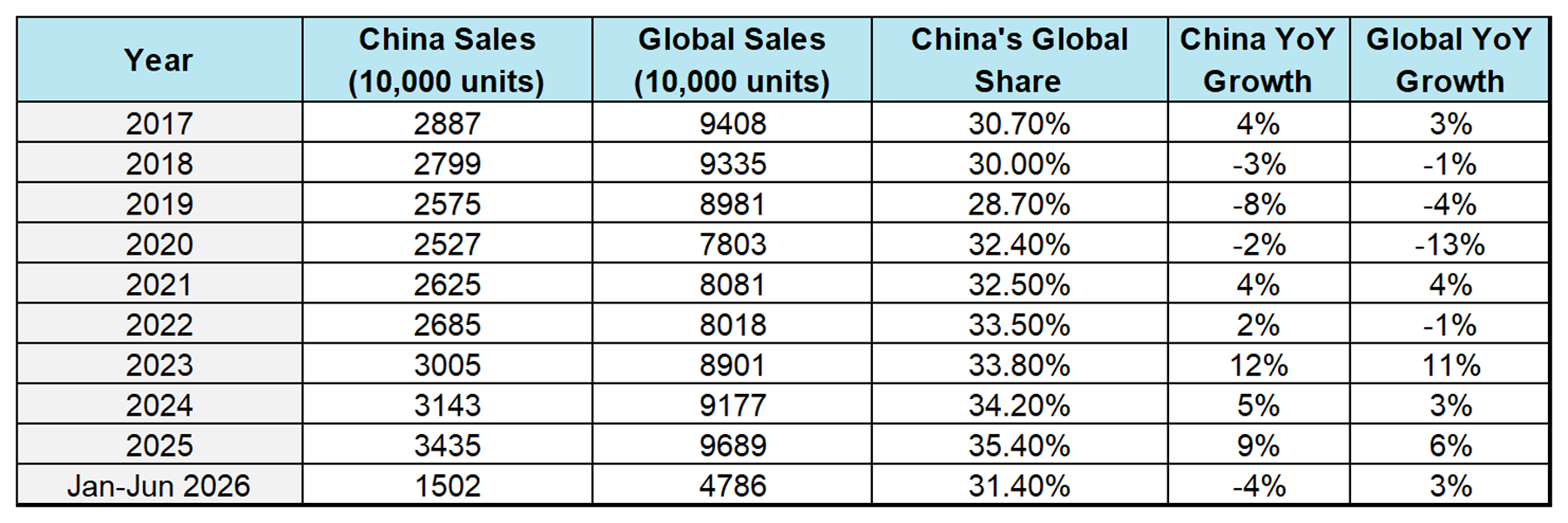
CAAM data released on 10 April shows domestic sales of 4.823 million units with NEV domestic sales down 23.8%, while vehicle exports rose sharply.
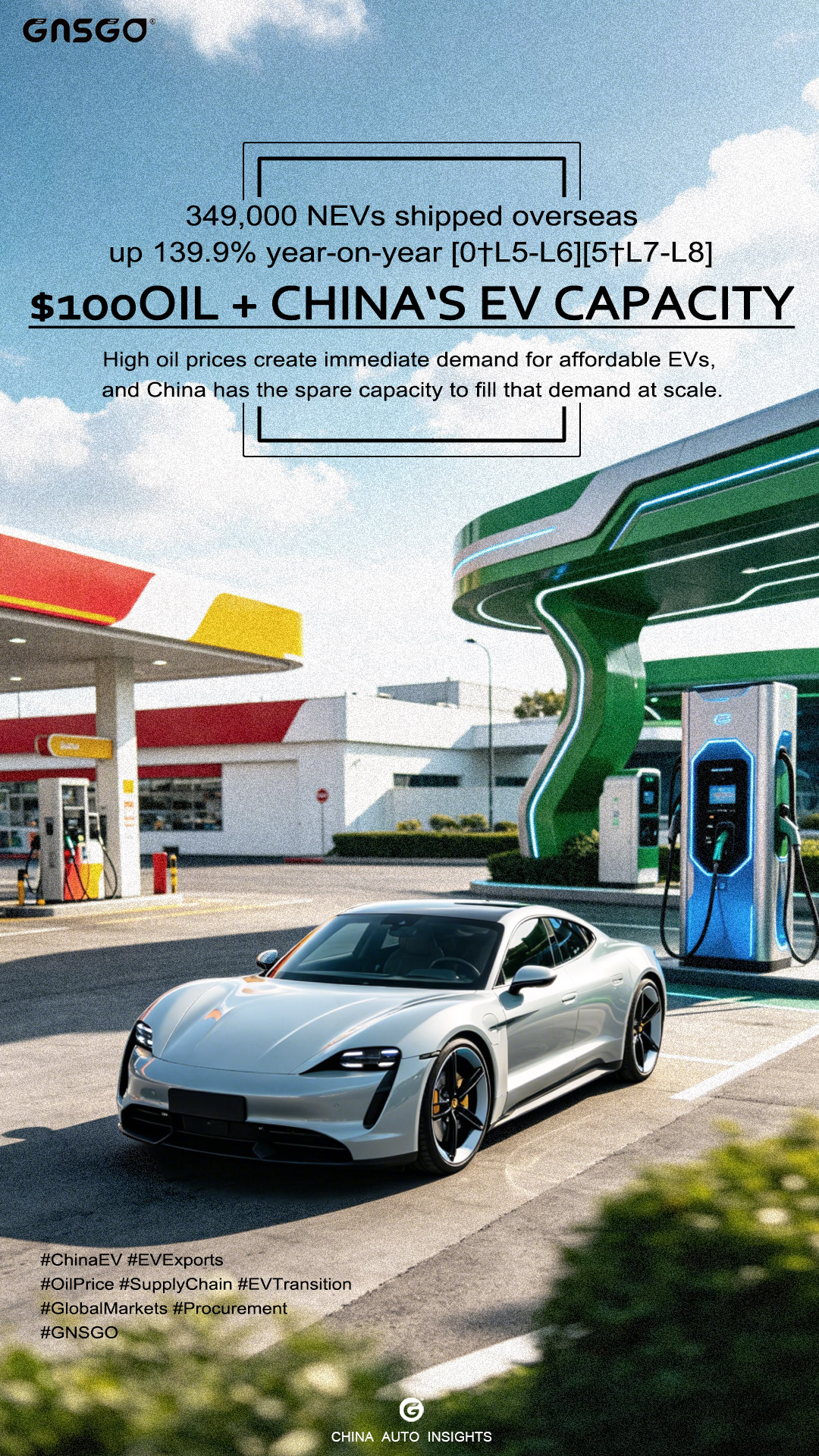
Most industry observers have already noted the March export record: 349,000 NEVs shipped overseas, up 139.9% year-on-year.
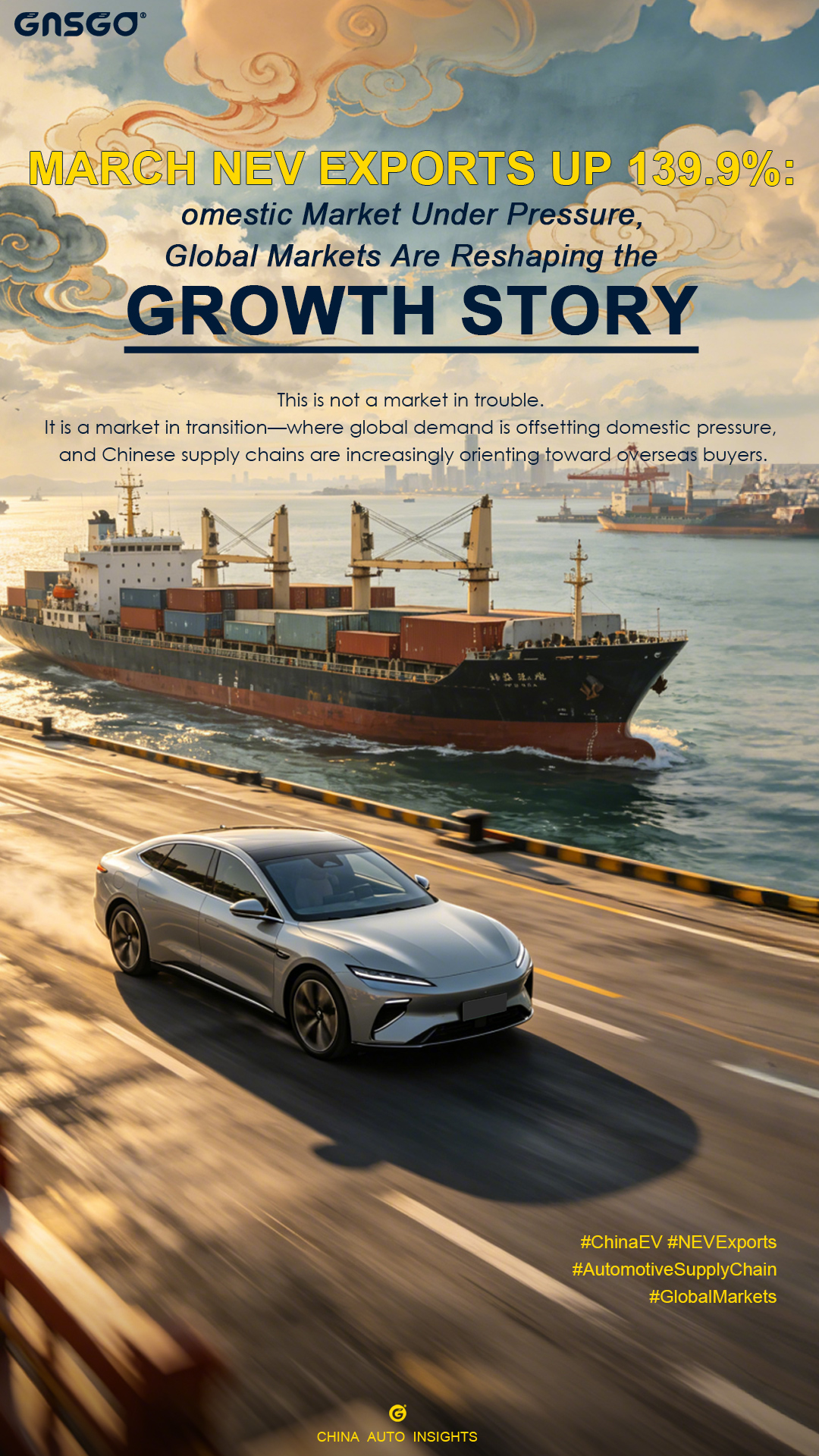
March data shows domestic passenger car retail sales down 15% year on year and NEV retail down 14.4% to 848,000 units, while NEV exports rose 139.9%.
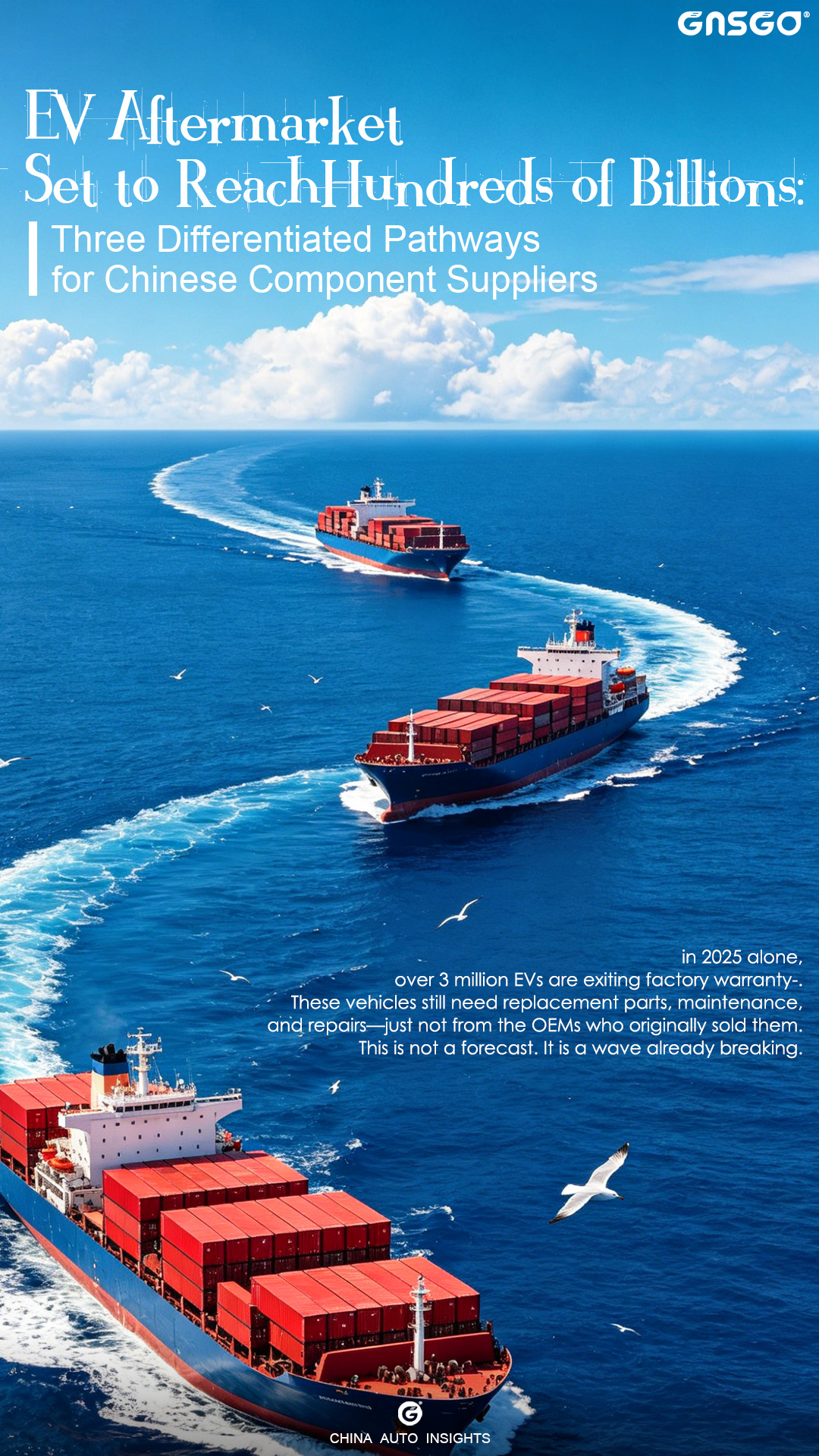
By 2030 the global EV aftermarket is projected to reach $272.5 billion, growing 19% to 22% a year, opening three pathways for Chinese component suppliers.
From 2026 the EU Battery Regulation changes the rules of entry for battery and EV component suppliers, starting with carbon footprint disclosure.
Between 2023 and 2025 Chinese companies announced more than 30 new energy component projects in Mexico, with total planned investment exceeding $8 billion.