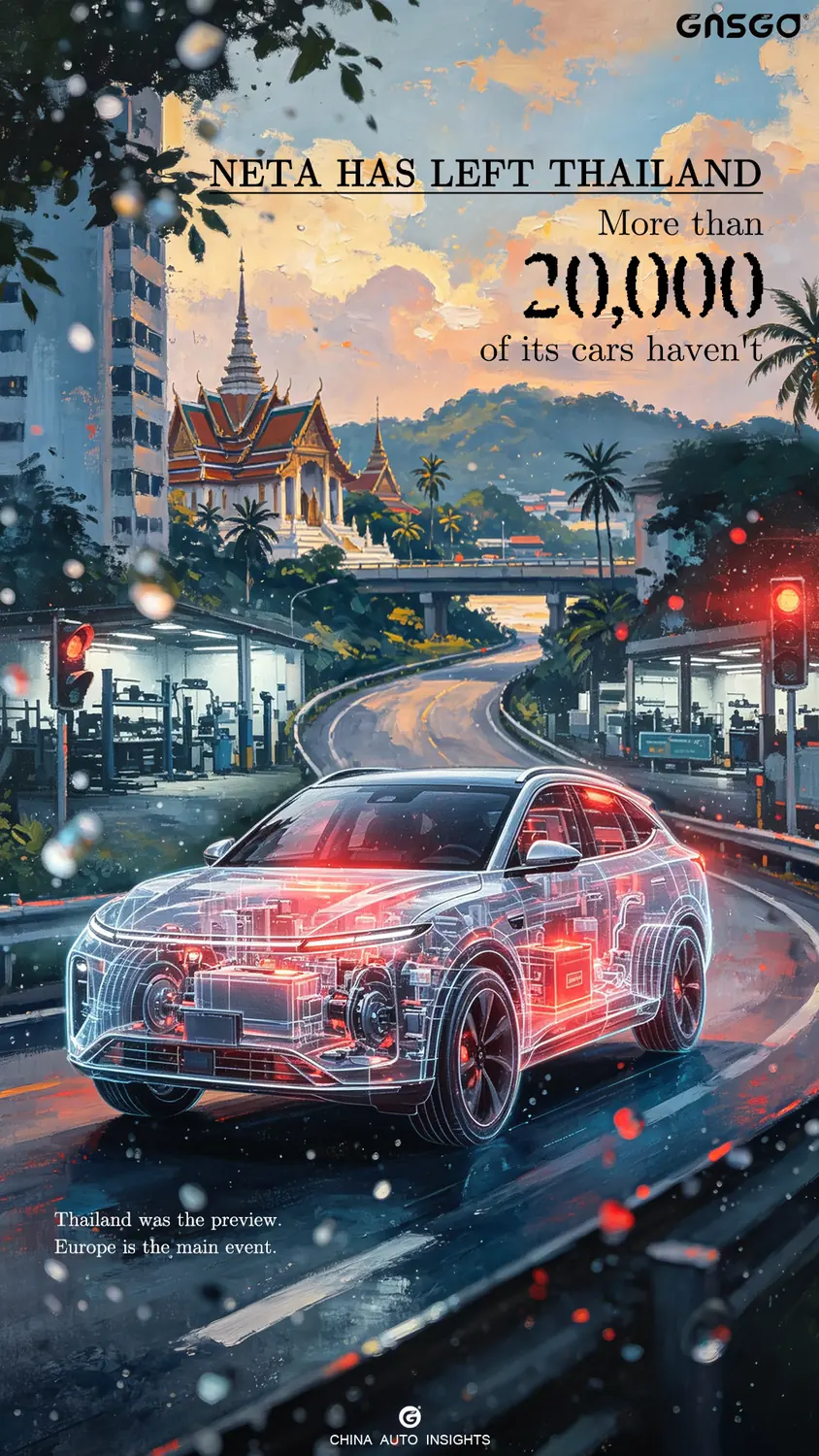
Neta Has Left Thailand. More Than 20,000 of Its Cars Haven't
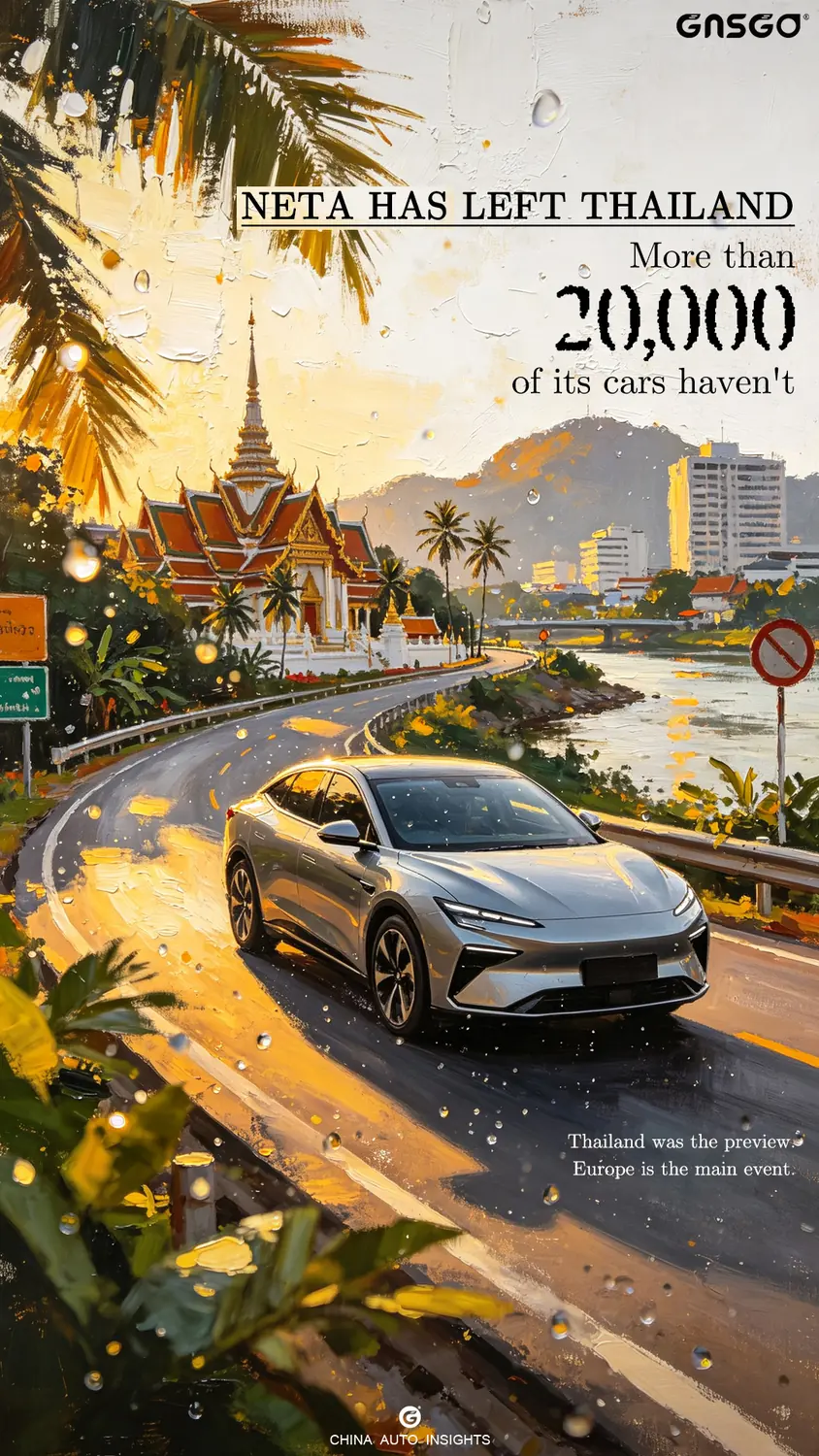
Neta has left Thailand. More than 20,000 of its cars haven’t. First, my position. I cooperate with Chinese automotive companies. I want them to win in global markets. That’s exactly why this case matters — because the lesson isn’t about one brand. It’s about after-sales.
The facts, all public:Thailand’s Finance Ministry is moving to recover over 2 billion baht in EV subsidies paid to Neta since 2022. The agreement required 19,000 units of local production in 2025. Roughly 4,000 were built.
In Thailand, where Neta once held meaningful EV market share, dealers filed complaints over unpaid debts. Some owners waited up to 10 months for repairs. One Thai insurer stopped covering Neta vehicles. In January 2026, the brand withdrew from Thailand. The cars stayed. Here’s my point:Cars outlive companies.
When a brand exits a market, it leaves behind a fleet that still needs brake pads, filters, and battery diagnostics. Someone has to answer that phone. Thailand was the preview. Europe is the main event. Europe has 450 million consumers and the strictest consumer protection framework in the world.
EU type-approval regulations already require carmakers to give independent operators access to repair and maintenance information on a non-discriminatory basis. After-sales here is not a “phase two” discussion. It’s a legal obligation with real liability attached. And this risk is structural, not a one-off.
China has many automotive brands today. Many experienced industry observers expect only a fraction to survive this decade. Every brand that stumbles — whether through financial distress, restructuring, or market exit — leaves an orphan fleet behind. To be fair, the serious Chinese players already understand this.
They are building European parts warehouses, establishing local inventory, and structuring warranty obligations that don’t depend on a single legal entity staying healthy. That’s what durable market entry looks like.
The brands that treat after-sales as a day-one strategic priority will earn Europe’s trust for the long run. The ones that treat it as something to figure out after the cars are on the road will learn Thailand’s lesson — in a market that forgives much less.
If after-sales strategy, parts supply, or service network planning for Chinese EVs in Europe is on your desk — my DMs are open. This is the conversation I’ve been having for the past year, and the Neta case just made it more urgent.
Related: China-made parts index