Zhenyu Cancels Its €58.7 Million Hungarian Plant
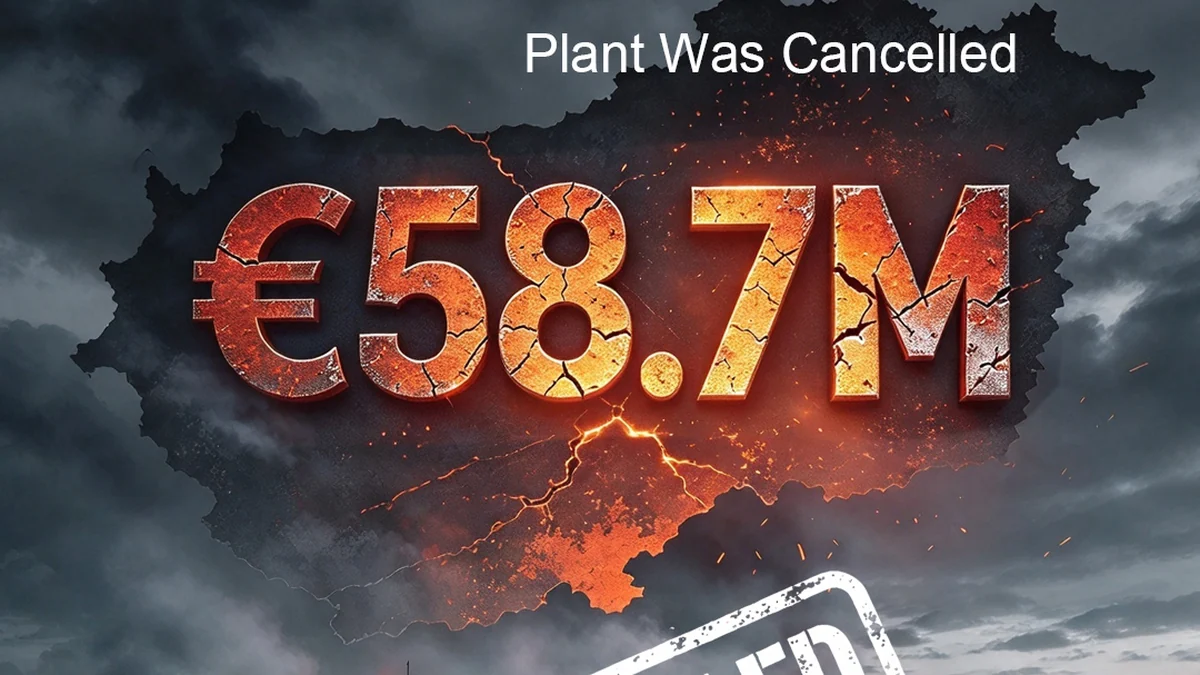
Zhenyu Technology announced on October 28 that it is terminating its European battery precision components plant in Debrecen, Hungary, and dissolving the Hungarian subsidiary. The original plan, approved in July 2023, was a €58.7 million investment (around RMB 436 million at the time).

When Zhenyu approved the project in 2023, the logic was straightforward: follow the client. CATL and EVE were building in Debrecen. Kedali was already there. Proximity would reduce lead times and secure orders.
Hungary’s government changed in April 2026. The new administration abolished the fast-track approval channel that had accelerated Chinese battery investments, restored full environmental review procedures, and created a dedicated battery industry regulator. Enforcement shifted from symbolic fines to stop-work orders and criminal liability exposure. In June, a nationwide battery industry inspection began, covering environmental permits, emissions, waste, and fire safety.
At the same time, the cost structure of local sourcing is structurally higher. European supplier lead times run roughly three times longer than in China. Local procurement costs are more than 30% higher.
And the order visibility did not arrive on schedule. Zhenyu is not a company in distress. Its revenue reached RMB 10.61 billion in the first nine months of 2026, up 60.9%. Net profit rose 63% to RMB 671 million. Q3 alone delivered RMB 4.21 billion in revenue.
That is not a retreat from Europe. It is a reallocation of capital from a lower-certainty project to a higher-certainty one. The announcement itself frames it as “optimising resource allocation” and “controlling investment risk”.
The “follow the client” model worked in China because the entire ecosystem — suppliers, logistics, labour, permits — moved at the same speed. In Europe, the speeds are different.
For the European aftermarket, the signal is indirect but real
If fewer Chinese structural component suppliers build in Europe, the localisation of battery-related parts — housings, casings, module components — may proceed more slowly than the vehicle assembly timelines suggest. The factories will still open. The parts ecosystem behind them may lag.
That lag matters for workshops and distributors planning for the service and repair of Chinese-brand EVs. A battery pack assembled in Europe from imported components has a different parts cost structure and a different lead-time profile than one built from a fully localised supply chain.
Related: China-made parts index
Sources: company statements and trade press as cited in the text.
Originally published on LinkedIn — read the post and the discussion →