BMW Registers a RMB 40 Million Tech Company in Shenyang
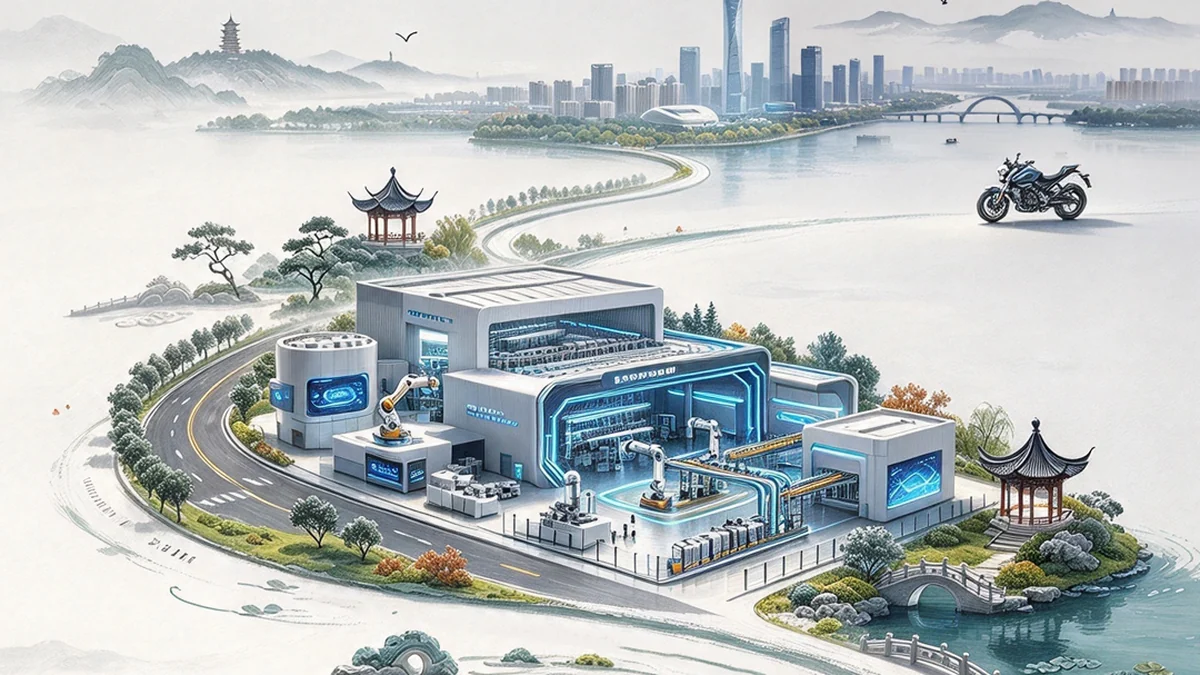
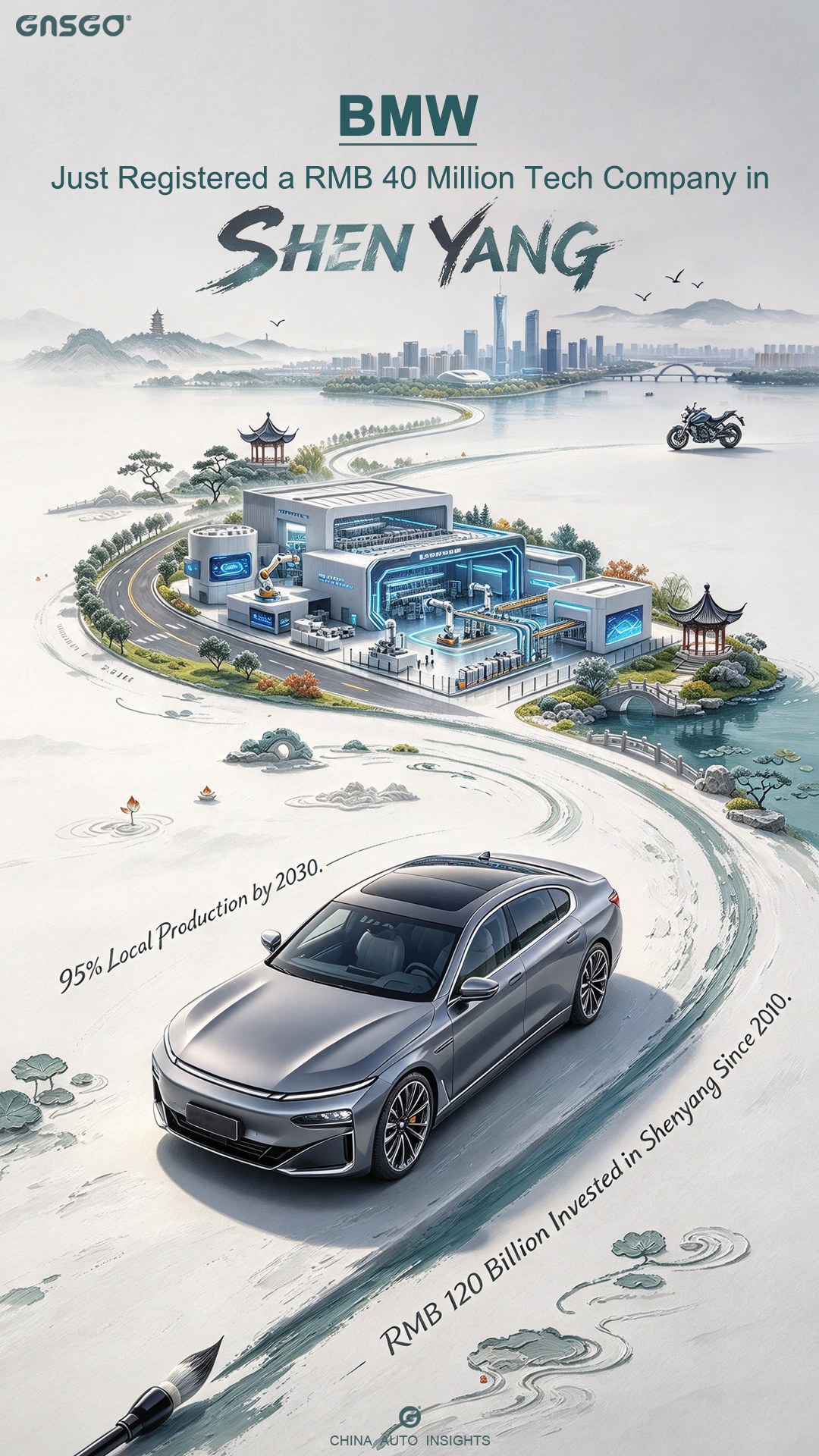
BMW Just Registered a RMB 40 Million Tech Company in Shenyang.
That’s BMW China Investment’s ownership of the new entity. A wholly-owned, independent legal entity registered in the same city where BMW builds cars with its Chinese partner.
BMW didn’t add a research centre. It created a separate legal vehicle for parts development — outside the JV structure that has governed its China operations for two decades.
Brilliance BMW already operates a research centre in Shenyang. It handles battery testing, vehicle calibration, and validation work — closely tied to the production line. That centre sits inside the joint venture.
BMW also operates R&D centres in Beijing (vehicle testing and homologation), Shanghai (future mobility and digital applications), and Nanjing (software development, established as a wholly-owned subsidiary in 2025). The Nanjing move in 2025 was the first signal: BMW was already separating certain R&D functions from the JV structure. The Shenyang technology centre extends that pattern to parts development.
The NEV context
BMW’s sixth-generation battery project in Shenyang — a 10 billion yuan investment — went into mass production on October 15. BMW’s Shenyang base has accumulated over 120 billion yuan in investment since 2010. The 7 millionth vehicle rolled off the line in May 2026. The Neue Klasse models will be produced locally, targeting 95% local production for China sales by 2030.
When local content targets reach 95%, parts localisation stops being a cost optimisation. It becomes a strategic requirement.
The aftermarket layer
BMW’s authorised network covers both cars and motorcycles through separate dealer channels. If the new centre develops motorcycle parts in Shenyang, those parts enter BMW’s global supply chain — but the dealer-only distribution model remains unchanged.
For independent parts distributors and workshop networks in Europe, the question is structural: does localised R&D in China eventually open a localised parts channel outside the OEM network” Or does deeper R&D integration simply tighten the OEM’s grip on the parts pipeline”
Related: China-made parts index
Sources: company statements and trade press as cited in the text.
Originally published on LinkedIn — read the post and the discussion →